Most preparedness advice starts with a list of gear, water filters, freeze-dried buckets, generators. All of that has its place. But there’s a form of preparedness that doesn’t cost much and doesn’t need a storage closet: knowing how to grow and produce a little of your own food.
Three Days Is All the Grocery Store Has
Most grocery stores keep about three days of inventory on the shelf at any given time. That’s not the whole supply chain, there’s more moving through the pipeline behind the scenes, but it is what’s actually sitting on the shelf in front of you. The shelves look full because trucks keep arriving on a tight, constant schedule, not because there’s a deep reserve sitting in a back room somewhere. That’s just how a just-in-time system works, food flows in continuously rather than getting stockpiled at the store level. If that flow gets interrupted for any real length of time, weather, fuel, a regional disruption, shelves can thin out fast.
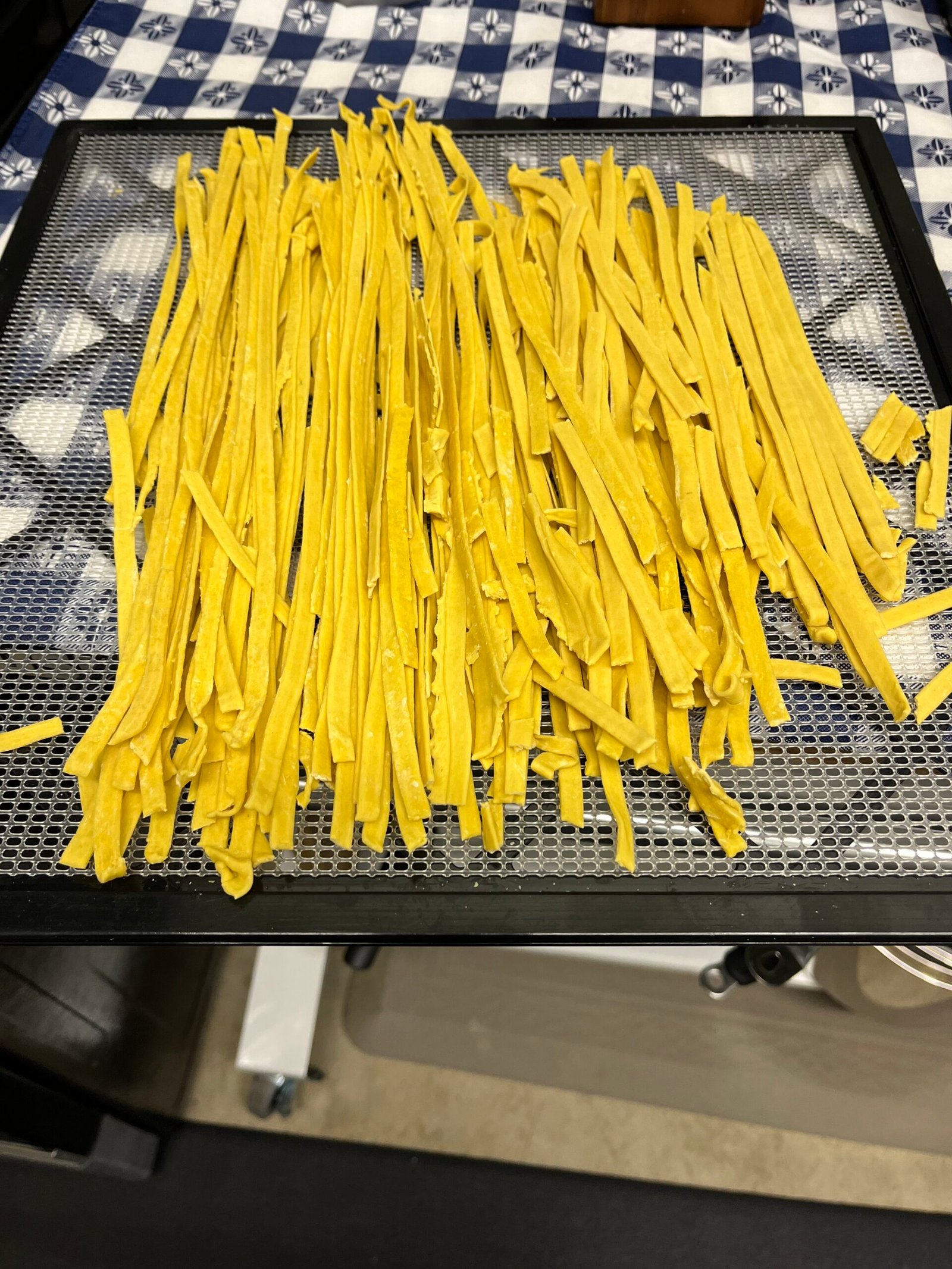
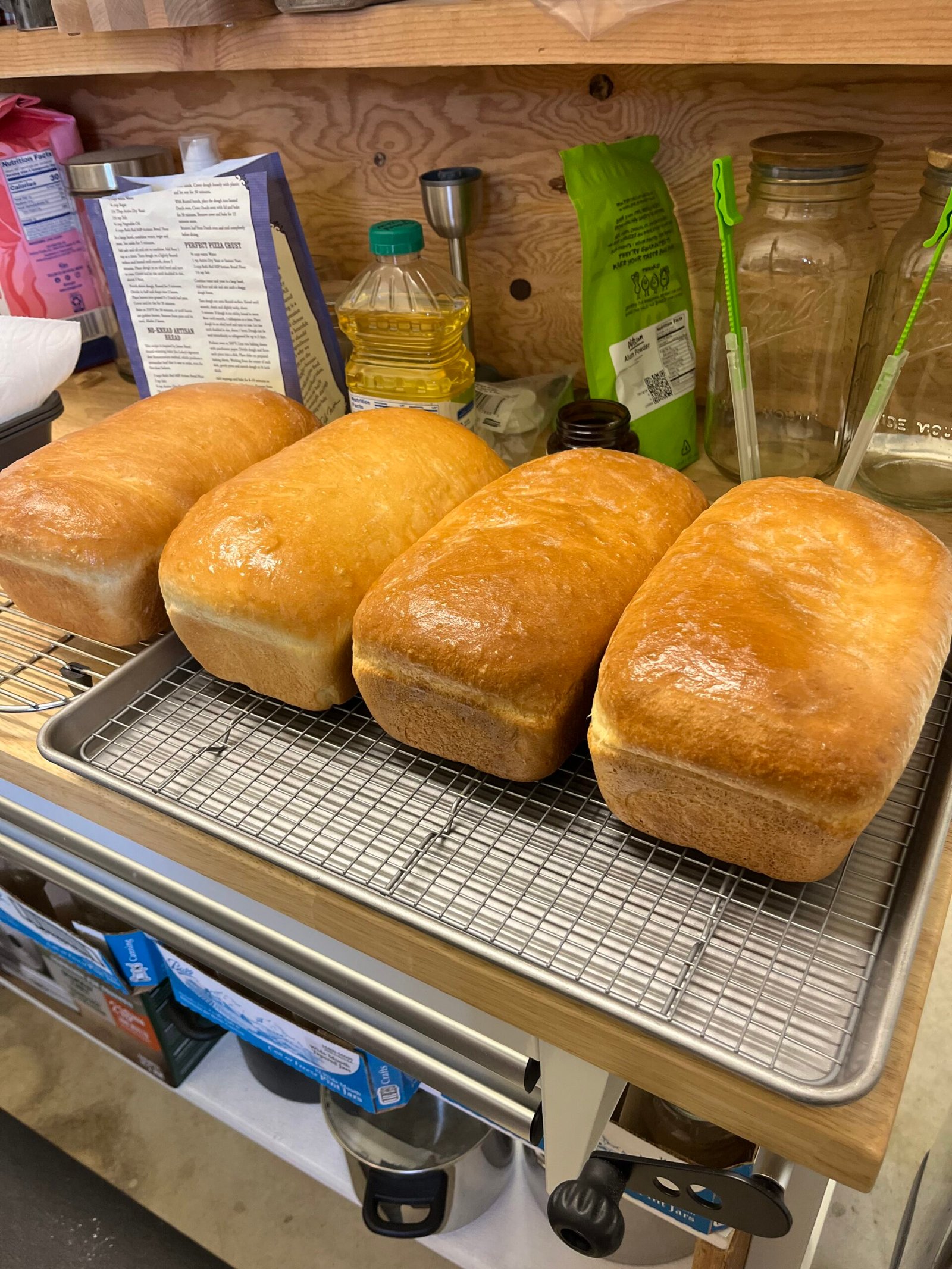
We’ve largely lost the basic skills to grow and produce our own food, and most of the time that doesn’t matter, because the supply chain runs smoothly enough that we never have to think about it. But a system built around a thin, constantly-replenished margin isn’t the same as a deep reserve. Any amount of food you’re growing or raising yourself is food that doesn’t depend on that flow holding steady.
You don’t even need a full-blown supply chain breakdown to see how fast that thin margin disappears. Remember the toilet paper shortages early in COVID? Nothing was actually wrong with toilet paper production. People just got nervous at the same time and bought more than usual, all at once, and shelves that looked completely normal on a Monday were empty by Wednesday. That wasn’t a supply problem. It was a demand spike hitting a system that was never built to absorb one. Food works exactly the same way. It doesn’t take an actual disaster to empty a shelf, just enough people deciding, at the same moment, that they’d better stock up.
This Isn’t About Fear, It’s About Skill
Being prepared this way isn’t about stockpiling out of anxiety. It’s about already knowing how to do something, so that if you ever needed to lean on it, you’re not starting from zero. That’s the same idea behind everything else on this site: learn the skill now, while the stakes are low, so it’s already yours if the stakes ever change.
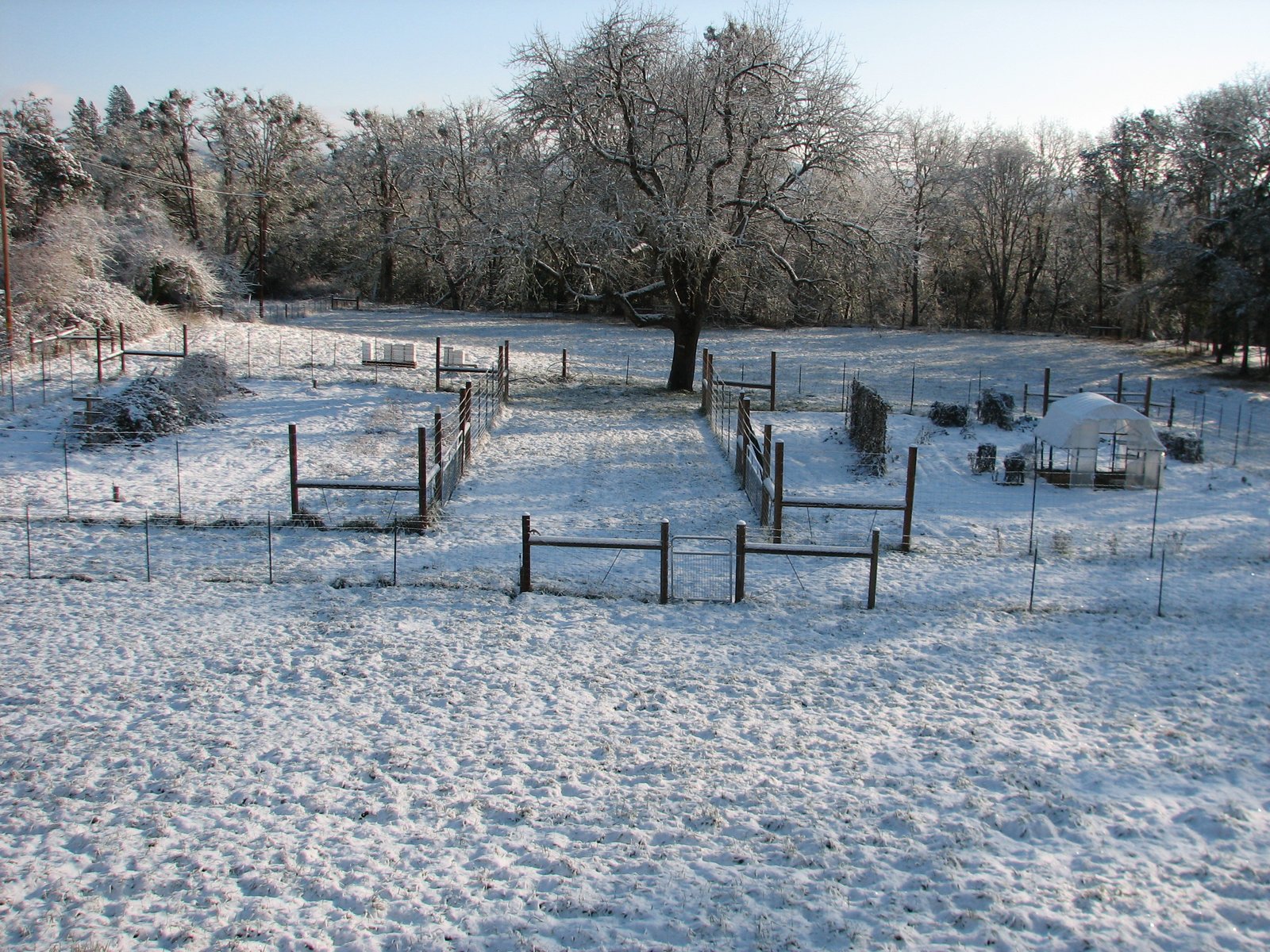
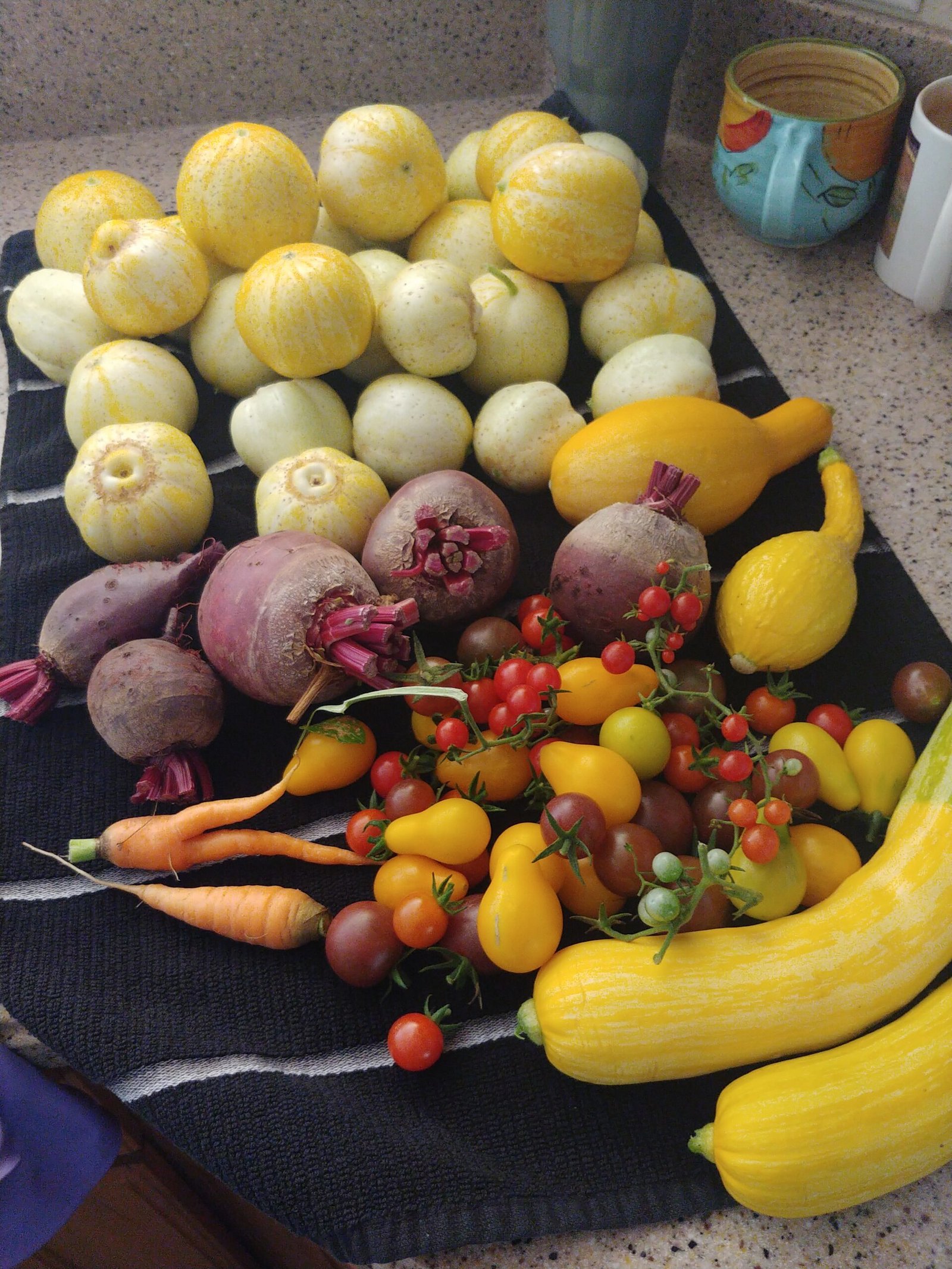
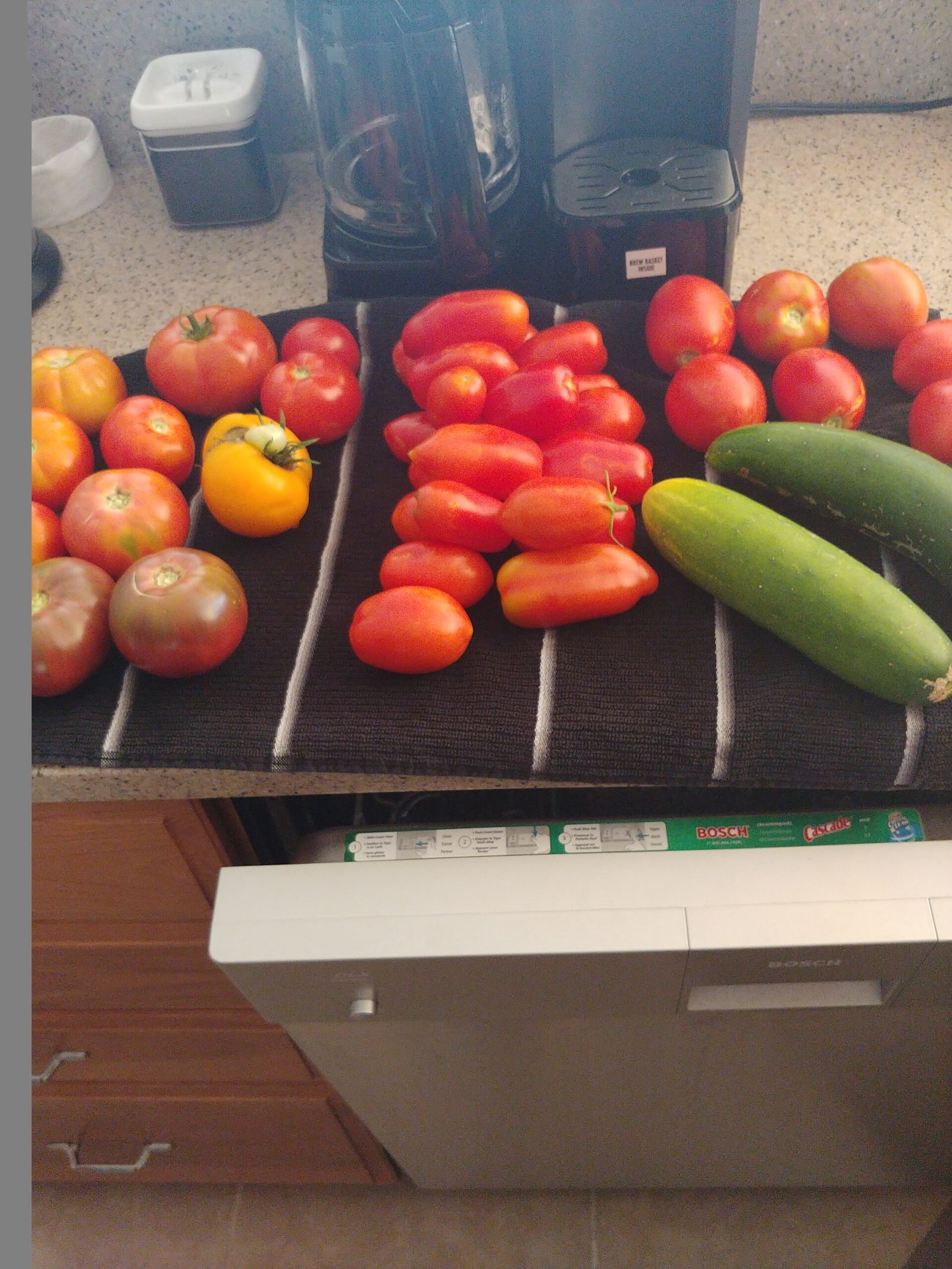
You don’t need a homestead to get some benefit here. A few tomato plants, a bed of greens, a handful of laying hens, even a modest effort chips away at how dependent you are on that supply chain staying uninterrupted.

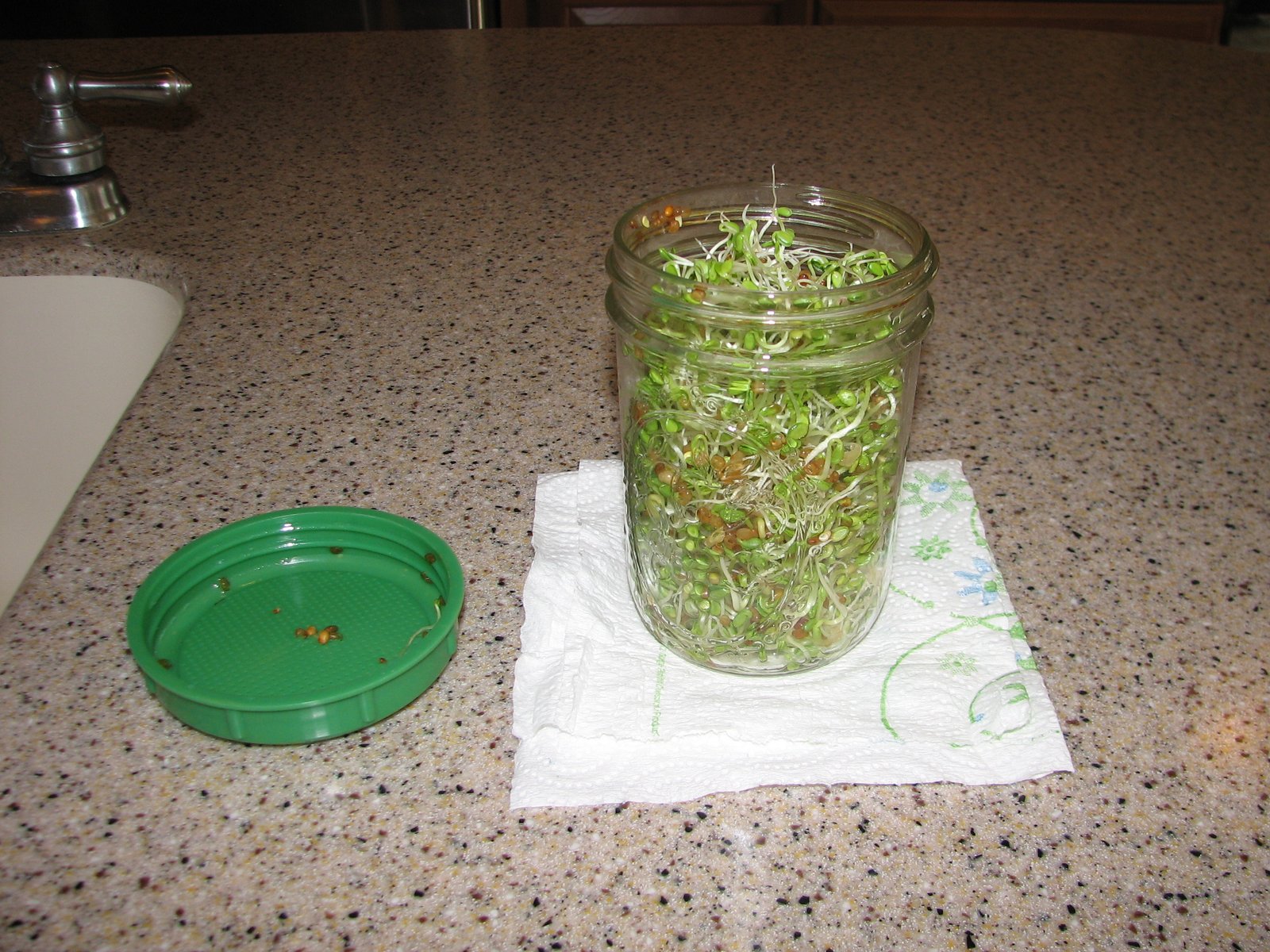
Why This Makes a Survival Seed Kit Actually Useful
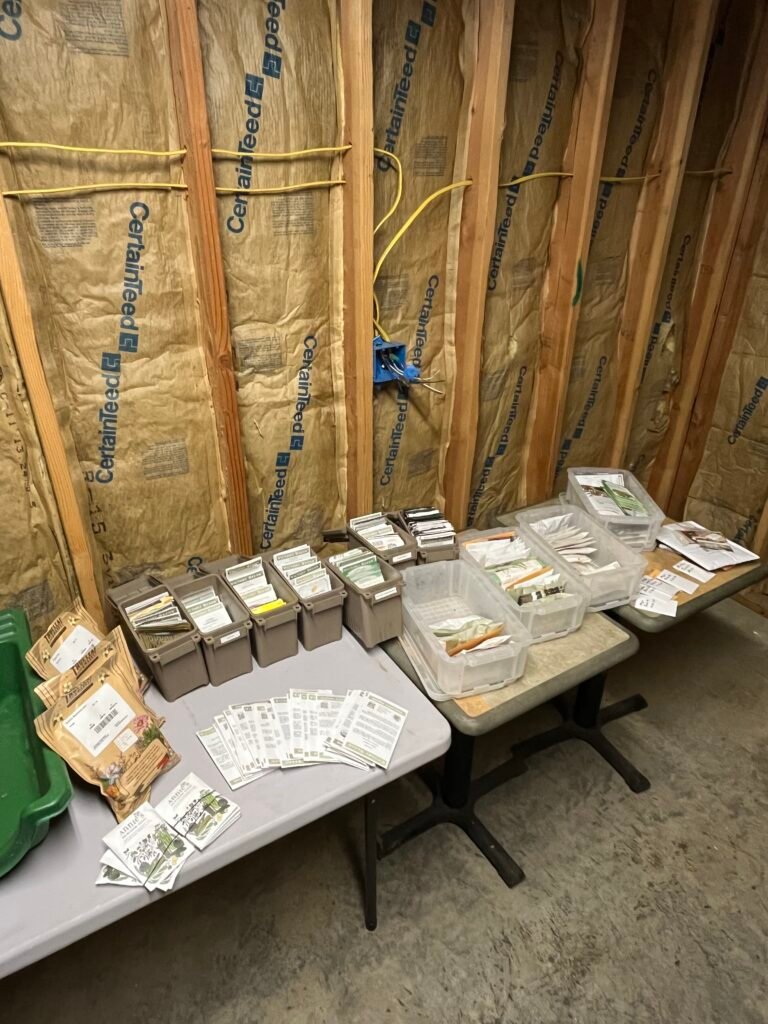
This connects directly to something I’ve written about before: survival seed kits. A sealed bucket of seeds sitting in a closet isn’t preparedness by itself. Seeds aren’t food, they’re potential food, and only if you already know how to get them into the ground, keep them alive, and actually harvest something from them.
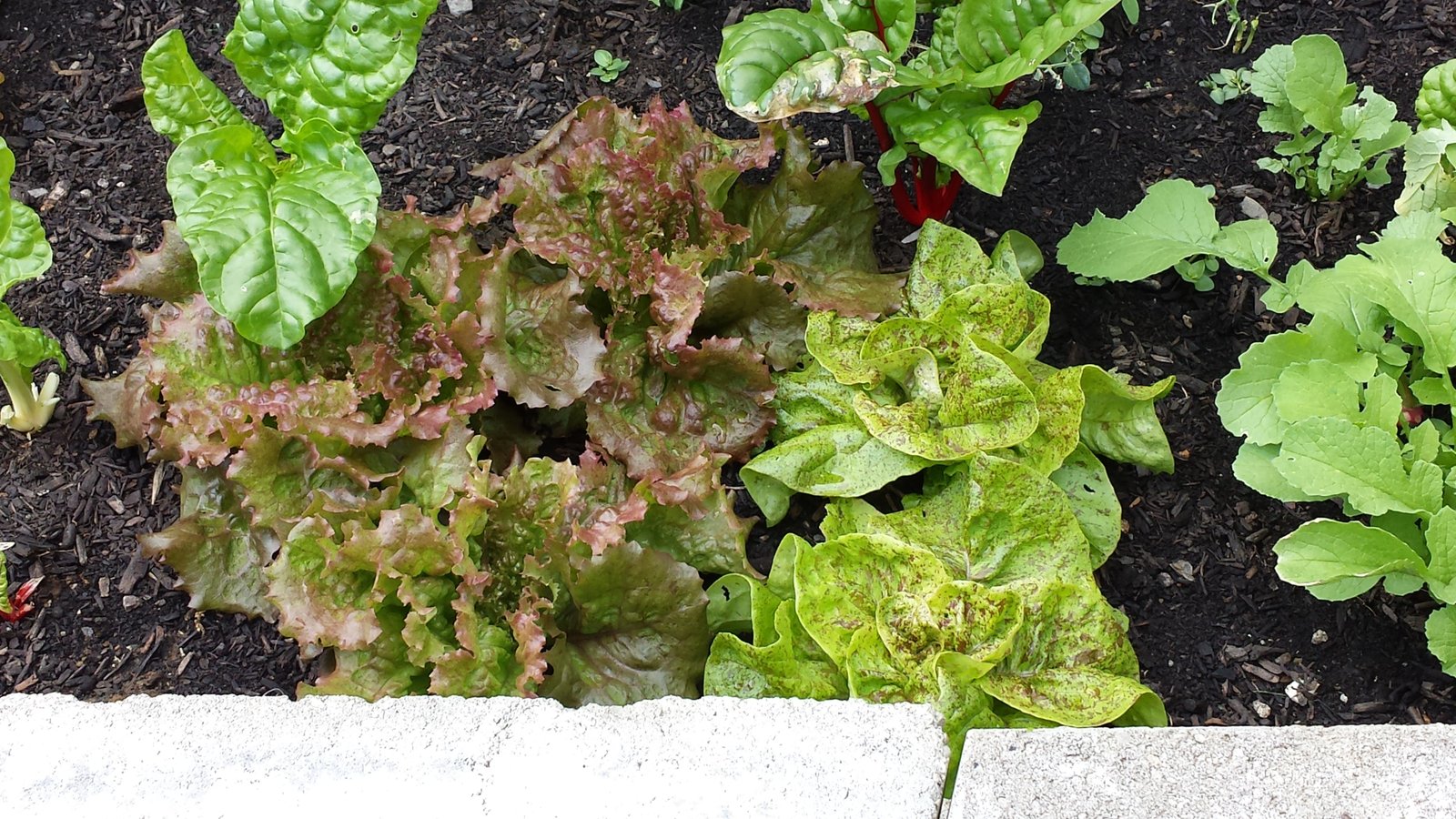
That’s exactly what growing anything now, even something small, actually buys you. If you’ve already grown lettuce, peas, or tomatoes in your own yard, you already know the timing, the watering, the pests, the real learning curve, before you’d ever be depending on that knowledge for something that actually matters. A seed kit paired with real gardening experience is genuine preparedness. A seed kit sitting untouched next to someone who’s never grown anything is mostly just hope.
Fresh Food Doesn’t Need the Supply Chain Either
There’s a side benefit to this that people don’t expect: food you grow yourself doesn’t need the same supply chain that store produce depends on to stay fresh.
I gave a friend some lettuce once, and they ended up out of town and couldn’t eat it right away. When they finally got to it two and a half weeks later, it was still in great shape and tasted just as good as the day I picked it. I pointed out that my lettuce never had to get processed, travel something close to the roughly 1,500 miles the average piece of U.S. produce travels from farm to plate, and sit around in a store before it even reached them. It just came straight out of the ground.
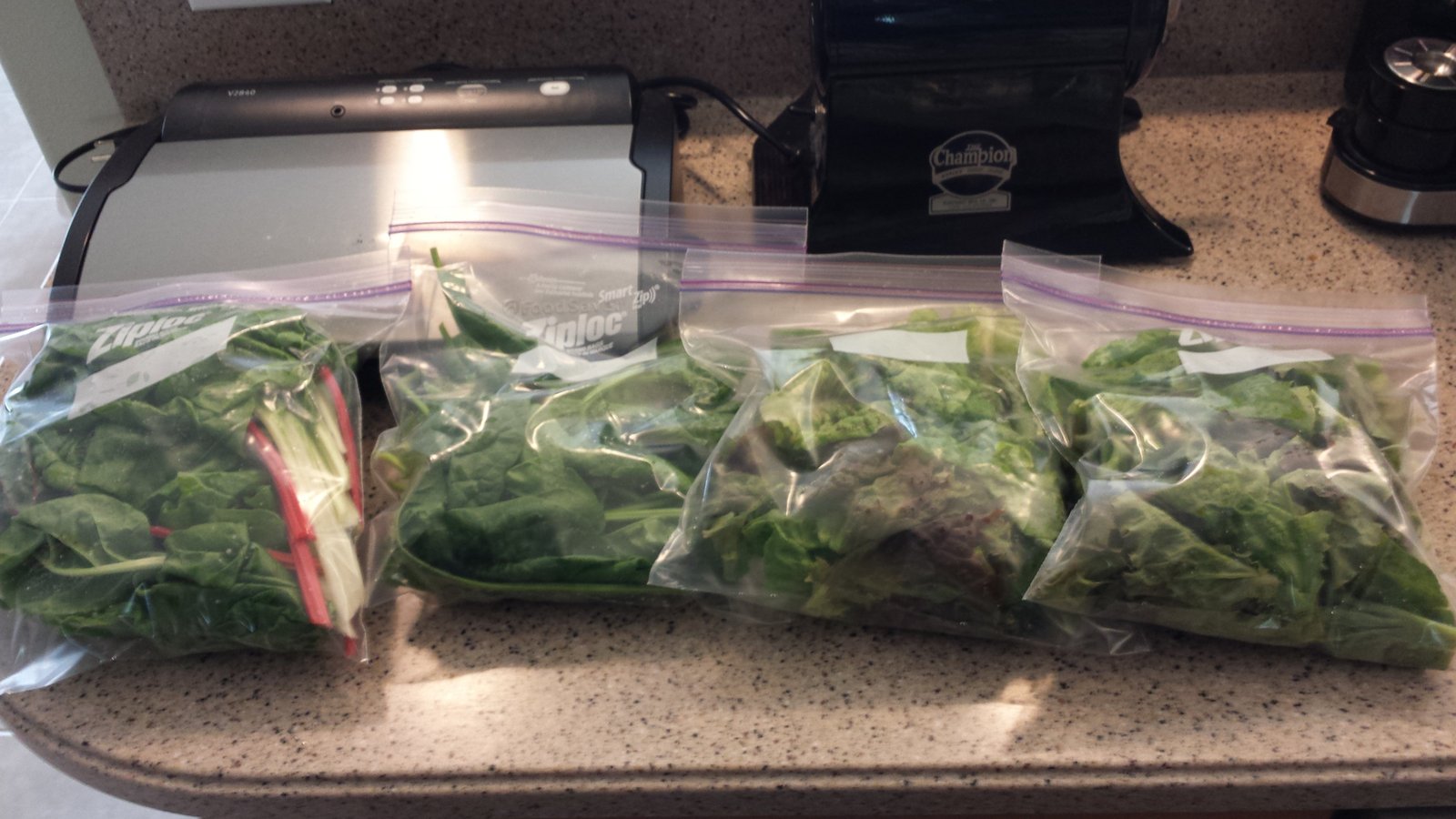
That’s a small example, but it says something bigger. Food that goes straight from your own yard to your own table isn’t just fresher, it’s also less fragile. It never depended on the long chain that most store produce runs through in the first place.
Start Small, But Start
You don’t need to grow all your own food to benefit from this. Even a small amount shifts you slightly off the just-in-time system everyone else is standing on without realizing it. And the skill itself, once you’ve learned it, stays with you no matter where you live next.
This is preparedness in its calmest form: not equipment, not stockpiling, just knowing how to grow something, and already having done it, before you ever actually need to.
For a step-by-step version of getting ready, see the Practical Preparedness Guide.