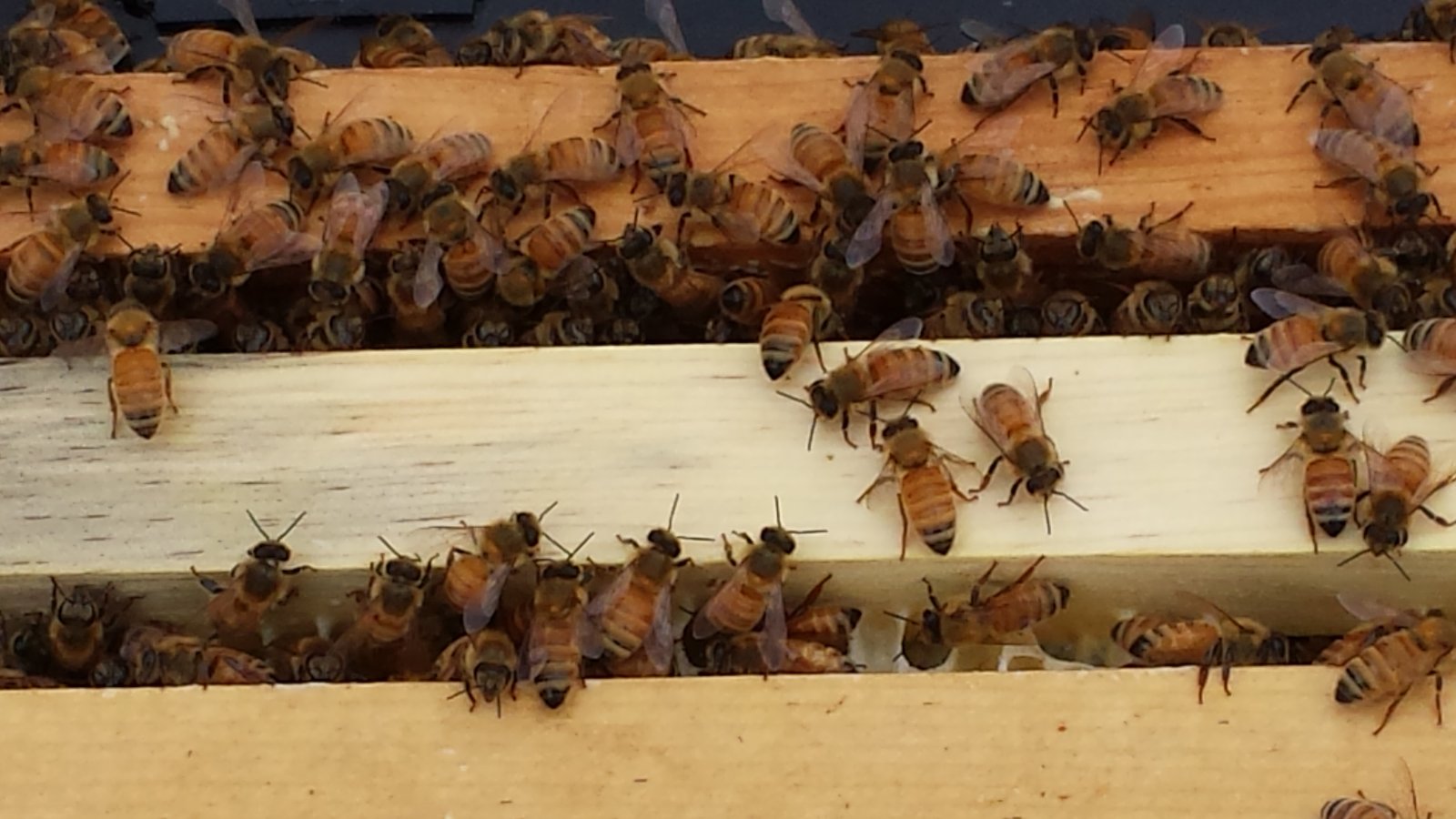
I kept bees for about fifteen years, and it’s one of the things I miss most from everything I’ve raised. There’s something almost meditative about standing near a hive and watching bees work their way in and out, once you spend real time around them, it’s hard not to see them as one of nature’s small miracles.
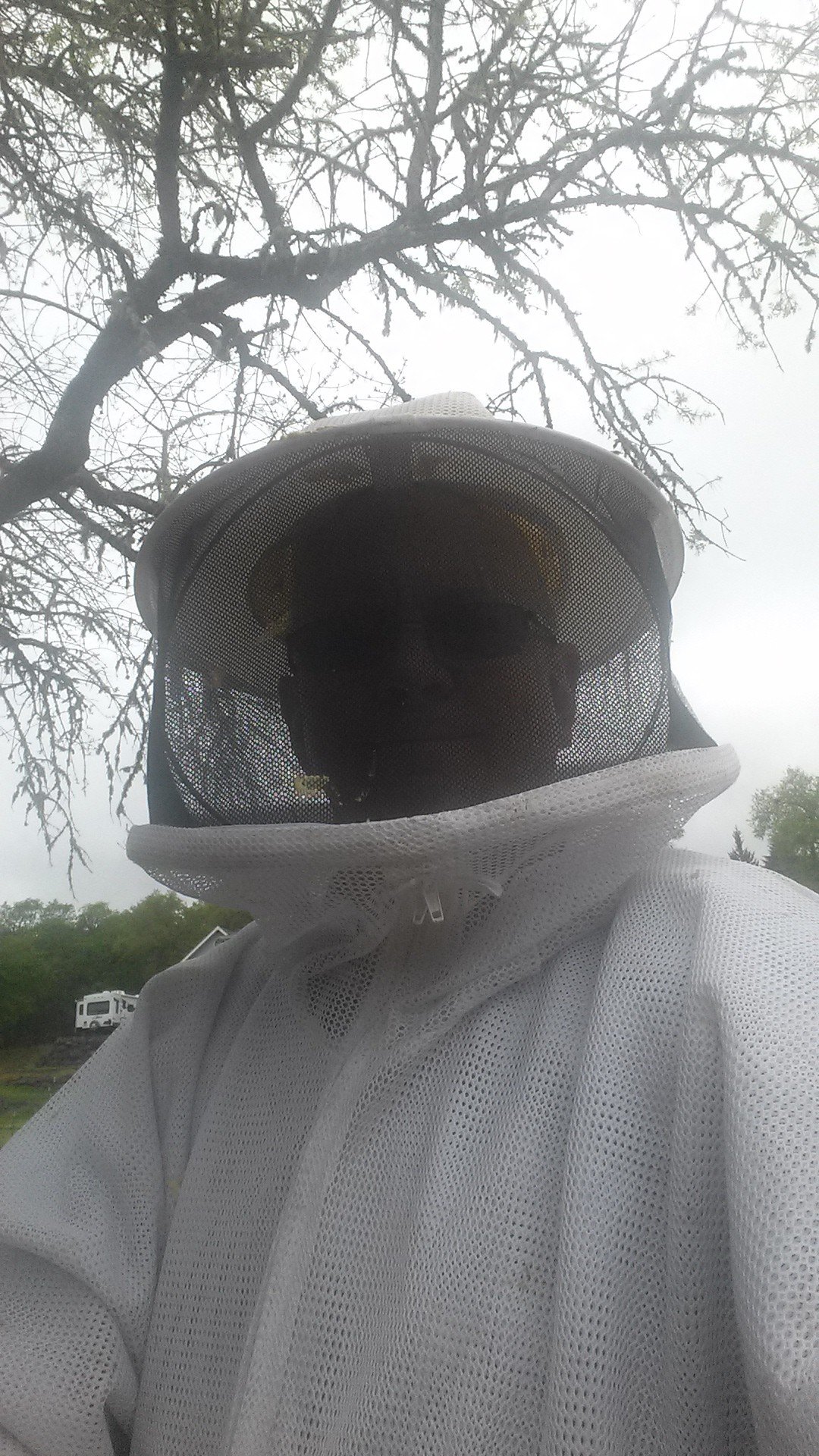
Bees are calmer than most people expect too. They mind their own business, and since a bee can only sting once, they avoid it unless they feel threatened. A lot of beekeepers don’t even wear a suit during installation. I always did, mostly so I could stay focused on the task without worrying about a sting, and in fifteen years, I was only stung a handful of times, every single one of them was usually my own fault.
Why Beekeeping Fit Start At Home First
Bees are about as good an example as it gets of a skill you can start small and grow into. They take up very little space, they can be kept even in town, they provide honey for cooking and preserving, and they teach patience, observation, and seasonal awareness in a way few other things do. Bees will forage up to three miles out, so you don’t need acreage to keep them, just a corner of a yard.
The biggest obstacle is usually perception. People fear bees, often confusing them with yellow jackets. In my experience, a little education, and a small jar of honey, goes a long way toward easing that.
Here in Oregon, there’s only a short window each year to start a hive, typically one weekend in April. That timing matters, because a new hive needs enough time to establish itself before winter hits. Warmer regions may have more flexibility, but the principle holds everywhere: timing matters.
Starting With a Nuc
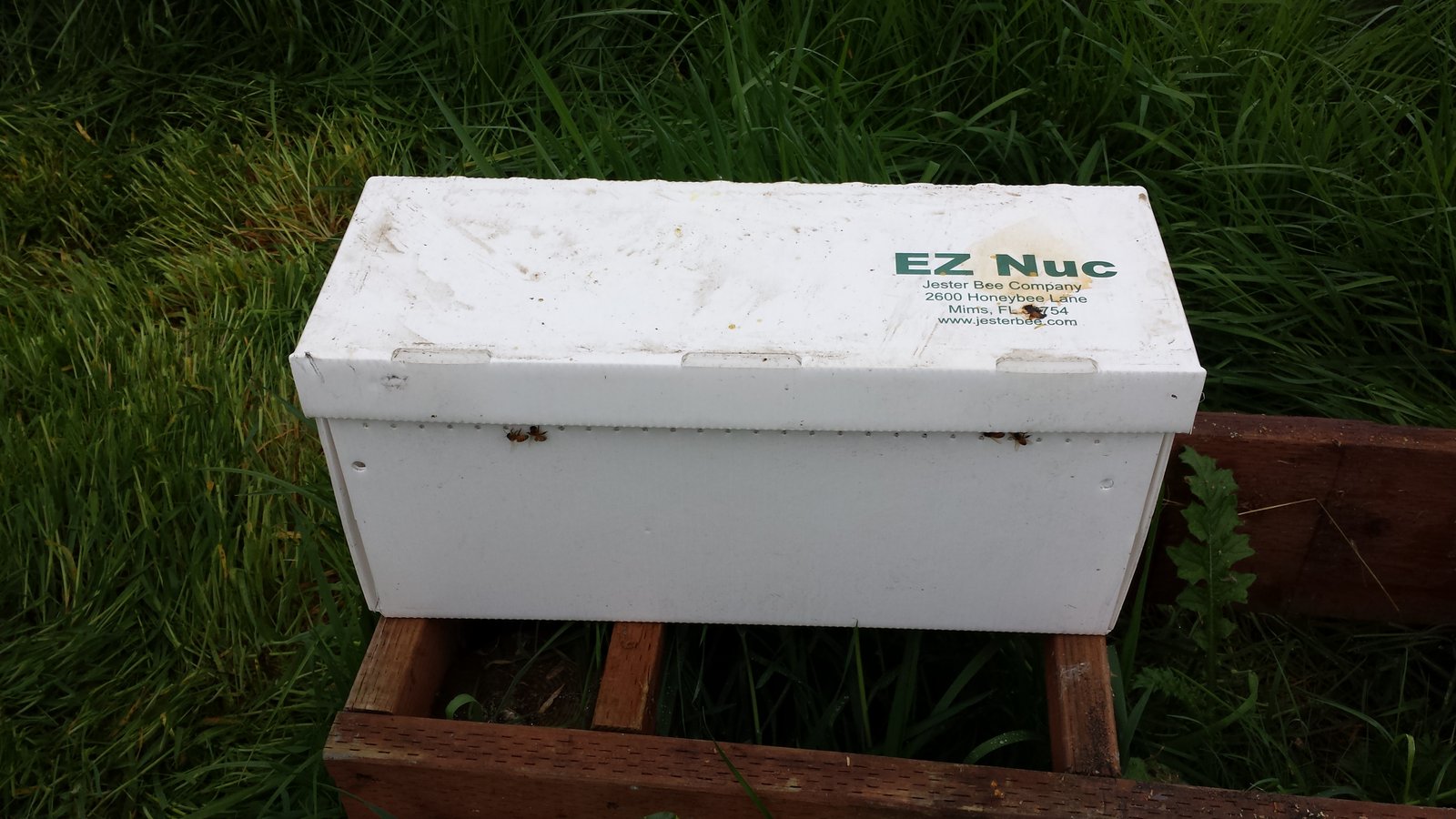
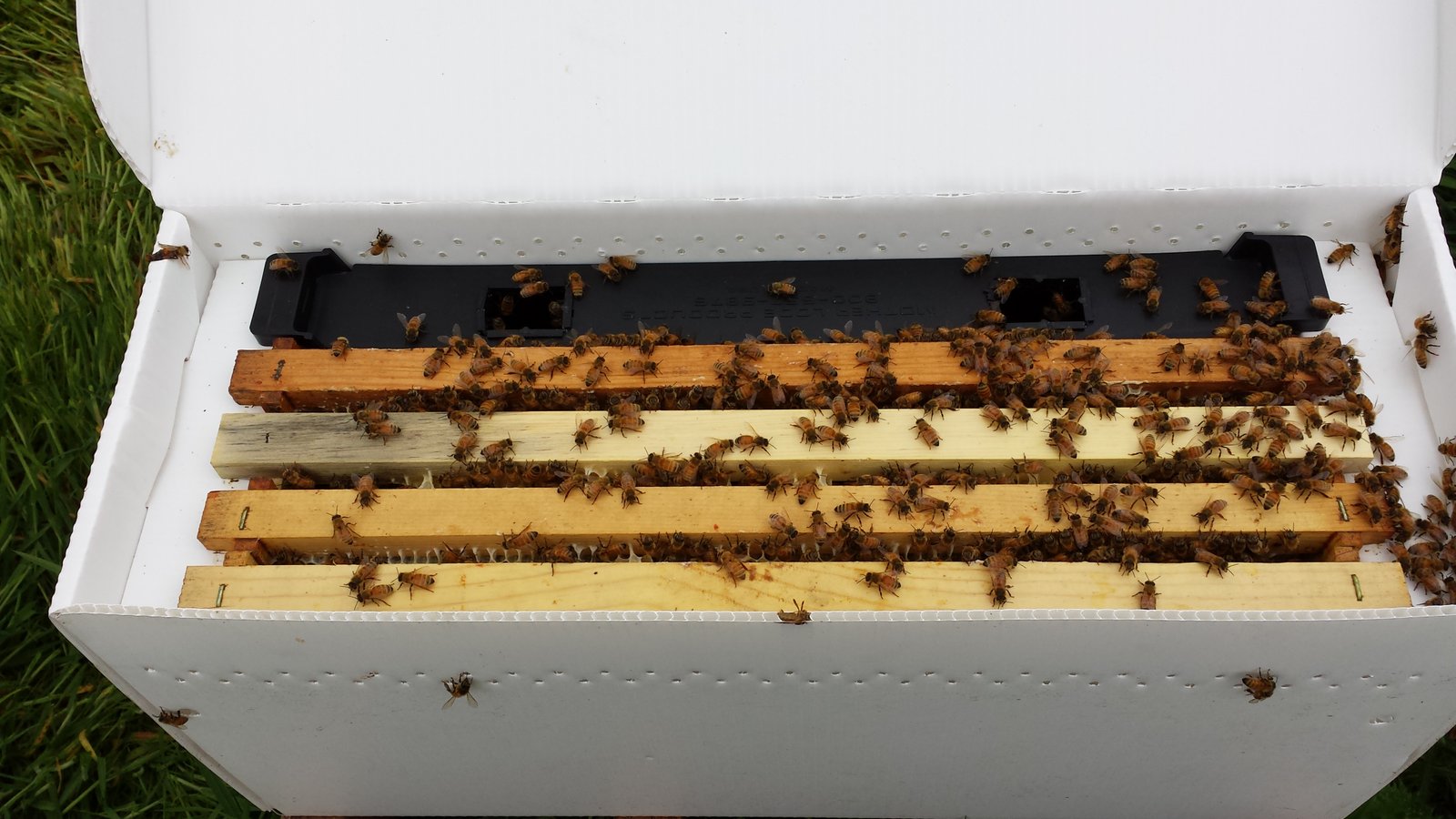
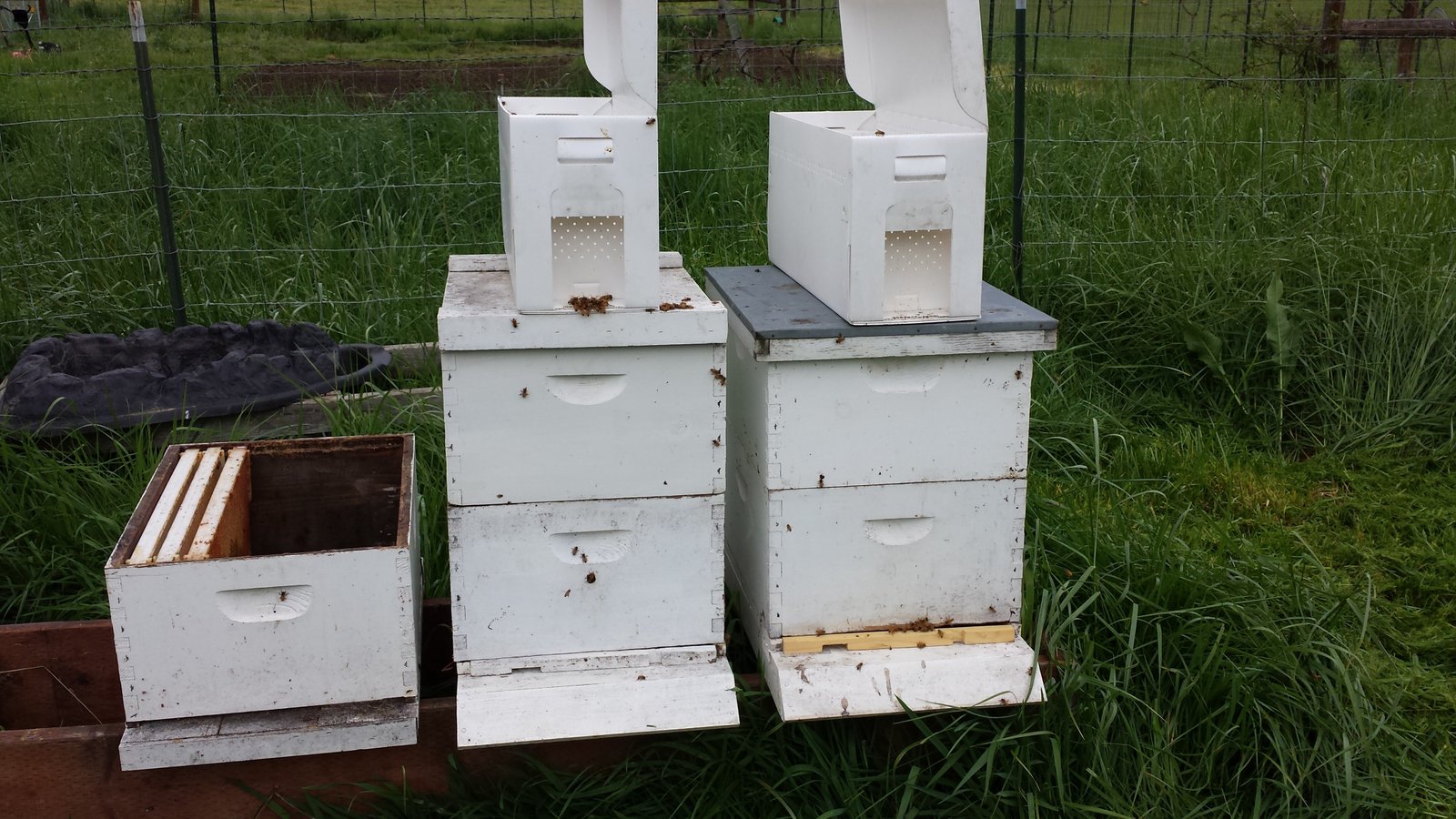
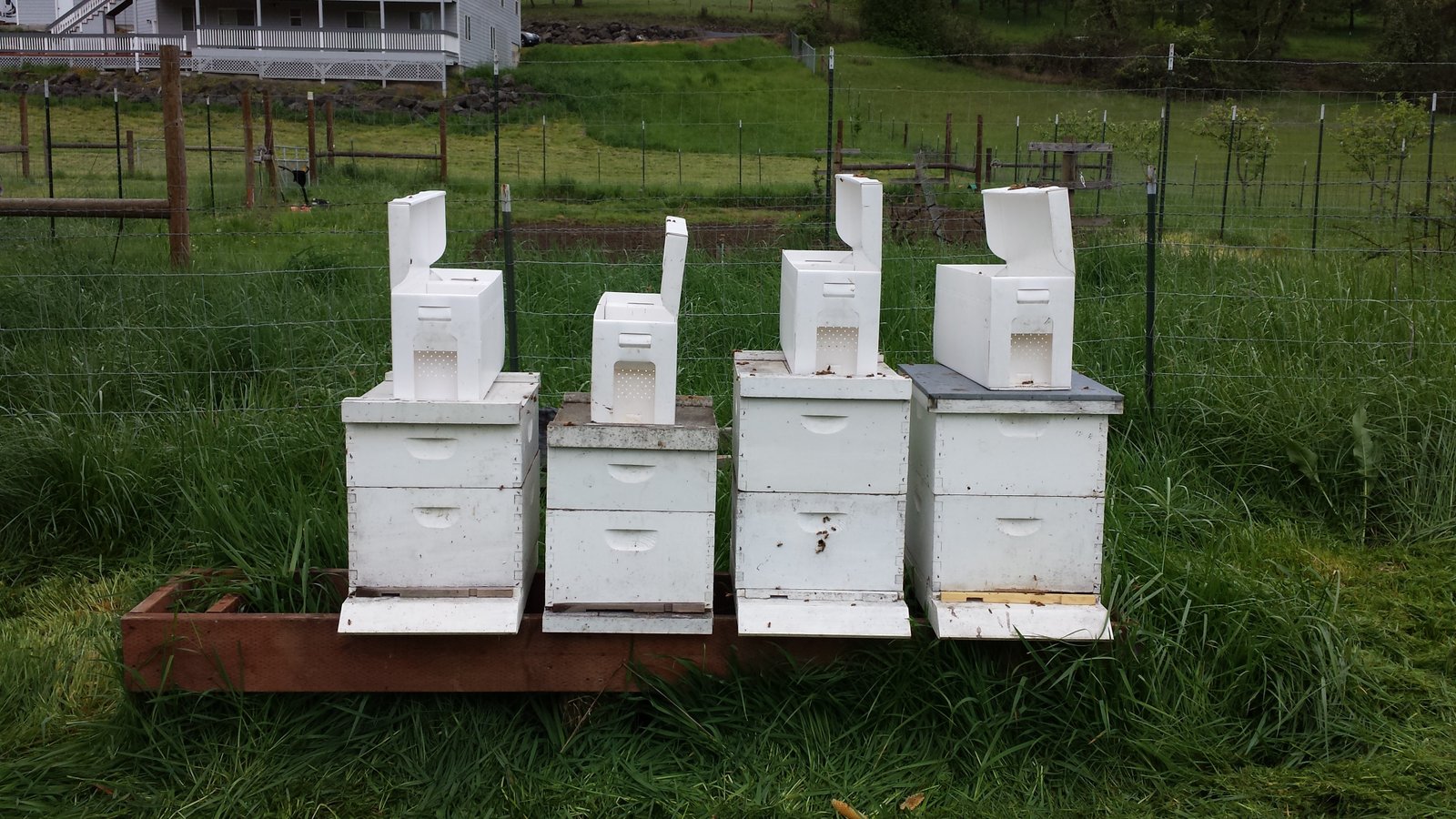
Later on, instead of buying bees by the pound, I started buying what’s called a nuc, short for nucleus colony. A nuc comes with established frames, brood, and a laying queen already in place, which gives the hive a three-to-four-week head start over starting from scratch. With bees by the pound, the colony still has to build comb, release the queen, and begin its brood cycle before it’s really underway. A nuc skips most of that delay.
I also started stacking extra boxes on my hives some years, using stored honey frames instead of sugar syrup, experimenting with letting the bees keep more of their own honey rather than feeding them syrup.
Why I Had to Stop
For about the first fifteen years, my hives came through winter just fine. Then that changed. My colonies started failing to survive past October or November, and no matter what I adjusted, I couldn’t get them established again. I loved keeping bees, so I didn’t give up easily. I spent close to ten years trying to adjust my way back to success, buying new bees, trying nucs again, changing timing, changing setup, anything I could think to change. Nothing worked.
Around that same stretch of years, the wineries near my property had been expanding. I’d read something at the time about an agricultural chemical that was marketed as not directly killing bees, but caused a kind of disorientation that ended up killing colonies anyway, bees that couldn’t find their way back to the hive, or that just stopped functioning as a colony. I couldn’t recall the name of it at the time, but looking into it since, that description matches neonicotinoid pesticides almost exactly. They’re documented to cause exactly that kind of disorientation, along with impaired navigation and foraging, without necessarily killing individual bees outright on contact. And they happen to be the most heavily used insecticide class in vineyards, more pounds applied to California wine grapes than any other agricultural chemical in the state in the years I was losing my hives.
I can’t say with certainty that’s exactly what happened on my property. I never tested for it. But the timing, the symptoms, and the vineyard expansion around me all line up closely enough that after ten years of trying every adjustment I could think of, I finally had to make the harder adjustment: accepting that beekeeping wasn’t something I could keep doing where I was, and letting it go.
The Point of Telling This Story
This wasn’t meant to be a step-by-step guide to beekeeping. It’s really an example of what Learn, Practice, Prepare, Adjust actually looks like when the adjusting doesn’t go the way you want it to. Most of the time on this site, adjusting means figuring out a better method or a smarter setup. This time, adjusting meant walking away from something I genuinely loved doing, after ten solid years of trying everything I knew to keep it going.
Beekeeping isn’t complicated on its own, but it does require attention, respect for timing, and sometimes the harder kind of adjustment, accepting that the environment around you has changed in ways you can’t fix, no matter how much skill or effort you bring to it.
If you’re thinking about keeping bees, do it. It’s a genuinely rewarding skill, and most people who try it will never run into what I did. But it’s also a good reminder that not every setback in this kind of life comes from something you did wrong. Sometimes you adjust as best you can, and the honest answer still ends up being no, at least for now.
That’s the part that matters most, though. I still have fifteen years of beekeeping knowledge sitting in my back pocket, and none of that goes away just because my current property doesn’t work for it anymore. Wherever I land next, if the conditions are right, I’ll be keeping bees again, and I won’t be starting from scratch. That’s what learning a skill early actually buys you: it travels with you, ready whenever the place you’re in finally says yes.