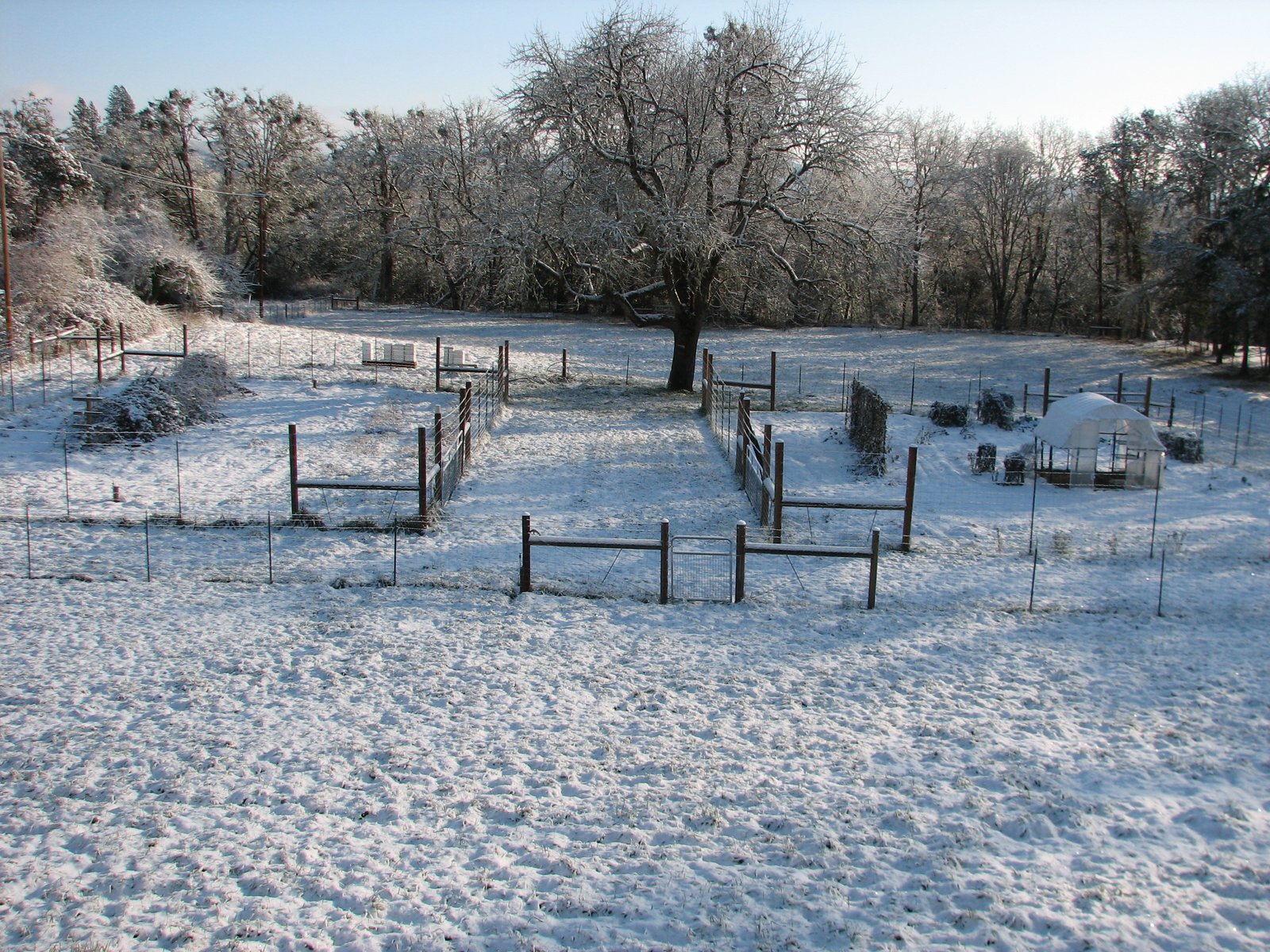
Look at last week. Four different stories, in four different places, and none of them really connected to each other.
On Thursday, Microsoft’s email and work tools (Outlook, Teams, and other Microsoft 365 services) went down around the world. The outage stretched into Friday, and Microsoft said it finished restoring the last of the affected service on Saturday.
On Friday, the FAA issued a rare nationwide ground stop after a technical problem hit air traffic communications. It started around 3:30 in the afternoon Eastern time, and airspace reopened a little after 8 that evening. The FAA said operators canceled about 12,462 flights that Friday (not all of them from the stop itself), and the leftover delays spilled into the weekend.
That same Friday, in New Orleans, a tanker lost steering on the Mississippi River and struck a river cruise ship that was already at the dock. The cruise boat rolled and sank. Officials said everyone on board was accounted for, and the NTSB says 36 people were taken to hospitals. It happened in a matter of minutes.
Then on Monday, a software bug at JPMorgan Chase slowed transactions and made online banking harder for some customers. Chase said people still had access to their accounts and their money, and that it wasn’t a cyberattack. Some customers at other banks, and some Zelle users, reported delays too. By Tuesday morning, things were working normally again.
It’s not that any one of those was major, unless you were in the middle of it. You don’t need a hurricane or some big collapse for ordinary life to stop working for a day or two. Flights stop. The computer you count on for email and records goes dark. The card in your wallet won’t go through. A trip you thought was almost over turns into something else entirely.
So the question is pretty simple. Are you ready?
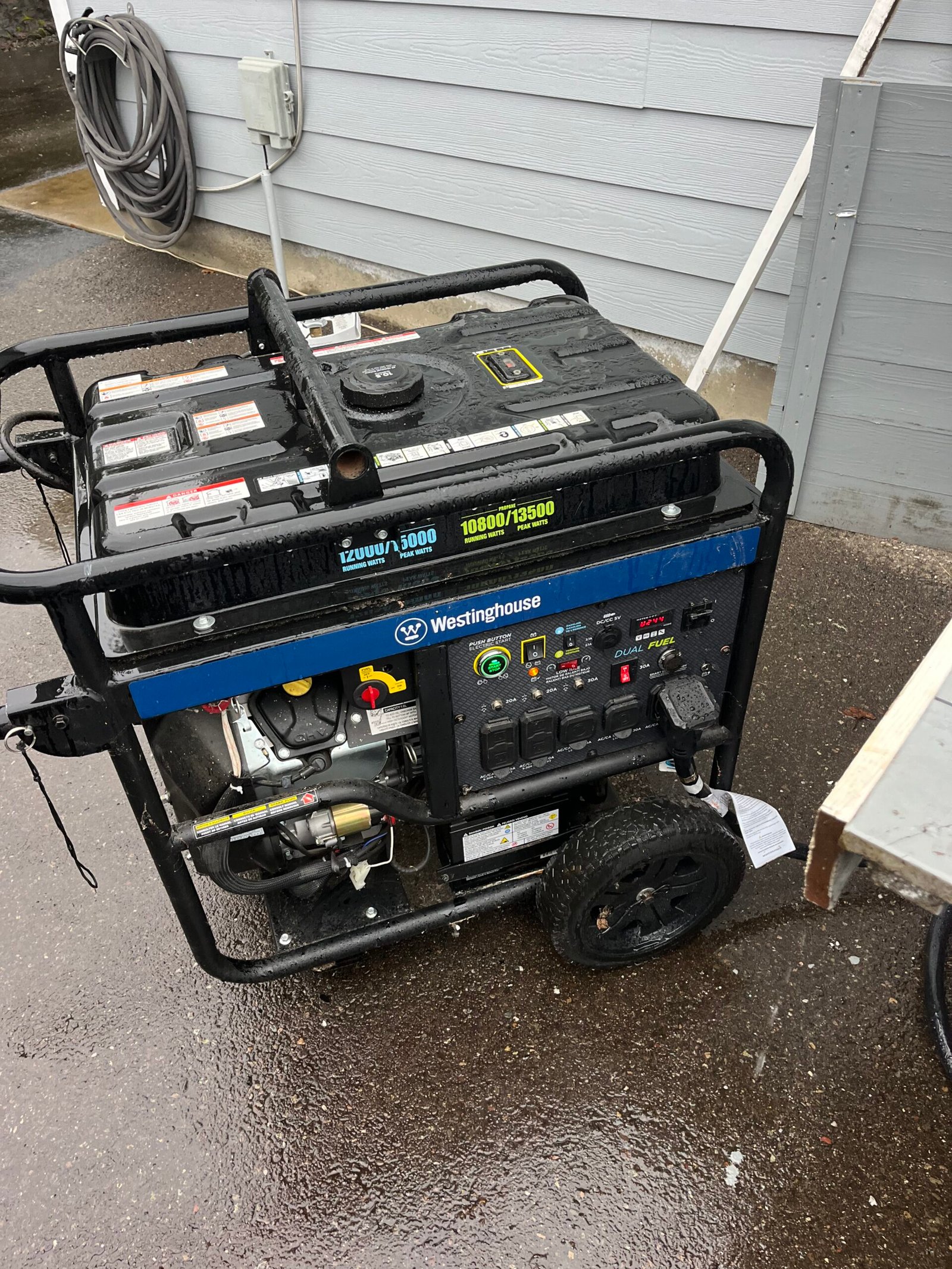
I wrote a while back that you don’t know you’re in it until you’re in it. A five-day power outage taught us that at home. The first day, the storm messed up the cell towers, and we didn’t have electricity, so we didn’t have phone, internet, or TV. I also wrote about what that outage actually took in propane.
What “ready” actually looks like
You don’t need a bunker. Start with what you have, and fill the gaps last week actually pointed to.
If flights or a trip go sideways. Print your itinerary and the phone numbers you’ll need. Keep medications, a form of ID, and a little cash in the bag you carry. Give yourself a plan for one unplanned night, and tell the person expecting you what to do if you don’t show.
When I travel in the winter, I make sure I have food, warm clothes, and blankets or sleeping bags in the car. I’m amazed when I see people in shorts and a t-shirt traveling in Oregon in the winter. That’s not a good choice if your car breaks down and you have no heat.
If the computer or the email goes down. Most people these days have no idea what the phone numbers to friends and family are. I keep a paper planner with all of my phone numbers, and I have a small piece of paper in my wallet with the numbers for my family and close friends, anyone I might want to call if something goes wrong. I print the important stuff and file it at home. I also have real books on preparedness, canning, gardening, and cooking, and I print off anything useful I find online on those topics, so if I needed the information and I lost my internet and phone connection, I’d still have it.
Passwords too. People will tell you never to write them down, but they keep requiring longer passwords that are hard to remember, and they want you to change them every so often. Write them down and keep them in a safe place. If I buy a gun, I don’t leave it loaded on the coffee table and have a party. I keep it locked up. Treat your password list the same way, and leave it at home when you travel. And these days most accounts still send a code to your phone to make sure it’s really you.
If the bank app or the card stalls. I always carry cash when I travel, usually enough for food and a hotel. But you need to be prepared either way.
We were in Hawaii recently, and we went on a morning walk to check out a local coffee place that looked good. We left everything in the room except our phone and some cash. It was about a 15-minute walk from the room. We walked in, went to order, and the big sign at the register said, in big letters, NO CASH. And like a moron, I asked the girl at the register, you don’t take cash? They didn’t.
So we walked outside, trying to decide if we wanted to walk 30 minutes round trip to get a credit card. Another customer showed us how you can pay with your phone if you have it set up. Ours wasn’t set up, and the guy offered to pay and take our cash. We lucked out.
So you need to think both ways. Who would have thought cash wasn’t accepted, and technology would bail us out? I now have my phone set up with one card, just in case.
Last week’s bank trouble is the other side of that. If your only card is with one bank, and that bank is down, you’re stuck in a different way. Having a second card from a different bank is a reasonable backup. That’s not overthinking it. Who would have thought you couldn’t get coffee with cash?
Keep some cash at home, too, enough to cover a few days of food, gas, or a night away if you had to. And when the news says a bank is having trouble, be careful of texts and emails that claim to help you restore access. Call the number on the back of your card.
If you’re just at home, and normal life gets bumpy. A few days of food you already eat, and a few days of water, will cover a lot of ordinary disruptions. Keep a way to charge a phone, and a flashlight you’ve actually tested. Use what you have, and add only what you’re missing.

The skills part matters too. Knowing how to cook the food you stored, and how to find a phone number without your email, those travel with you. Growing food is preparedness as well, and it starts with what you already have.
Start today, with what you already have
You don’t have to fix everything tonight. Pick one thing.
Write a few family and friend numbers on a small piece of paper and put it in your wallet. Put a little cash where you can find it. If you travel in winter, put food, warm clothes, and a blanket or sleeping bag in the car. If your phone isn’t set up to pay, set up one card. If all your cards are with the same bank, consider a second card from a different one.
That’s it. Learn a little while the stakes are low, so you aren’t learning it at a coffee shop that won’t take cash, or when the screens go dark.
Want a simple list to work from? Grab my free 72-Hour Emergency Kit Checklist. I also have a Practical Preparedness Guide if you want a broader starting point.