One of the biggest myths about growing food is that you need a large garden, perfect soil, or ideal conditions to get meaningful results. You don’t. Sometimes all it takes is a small section of ground, even an old flower bed, and the willingness to start.
If you’re wondering how to grow vegetables at home in a small space, this flower bed is a good place to start.
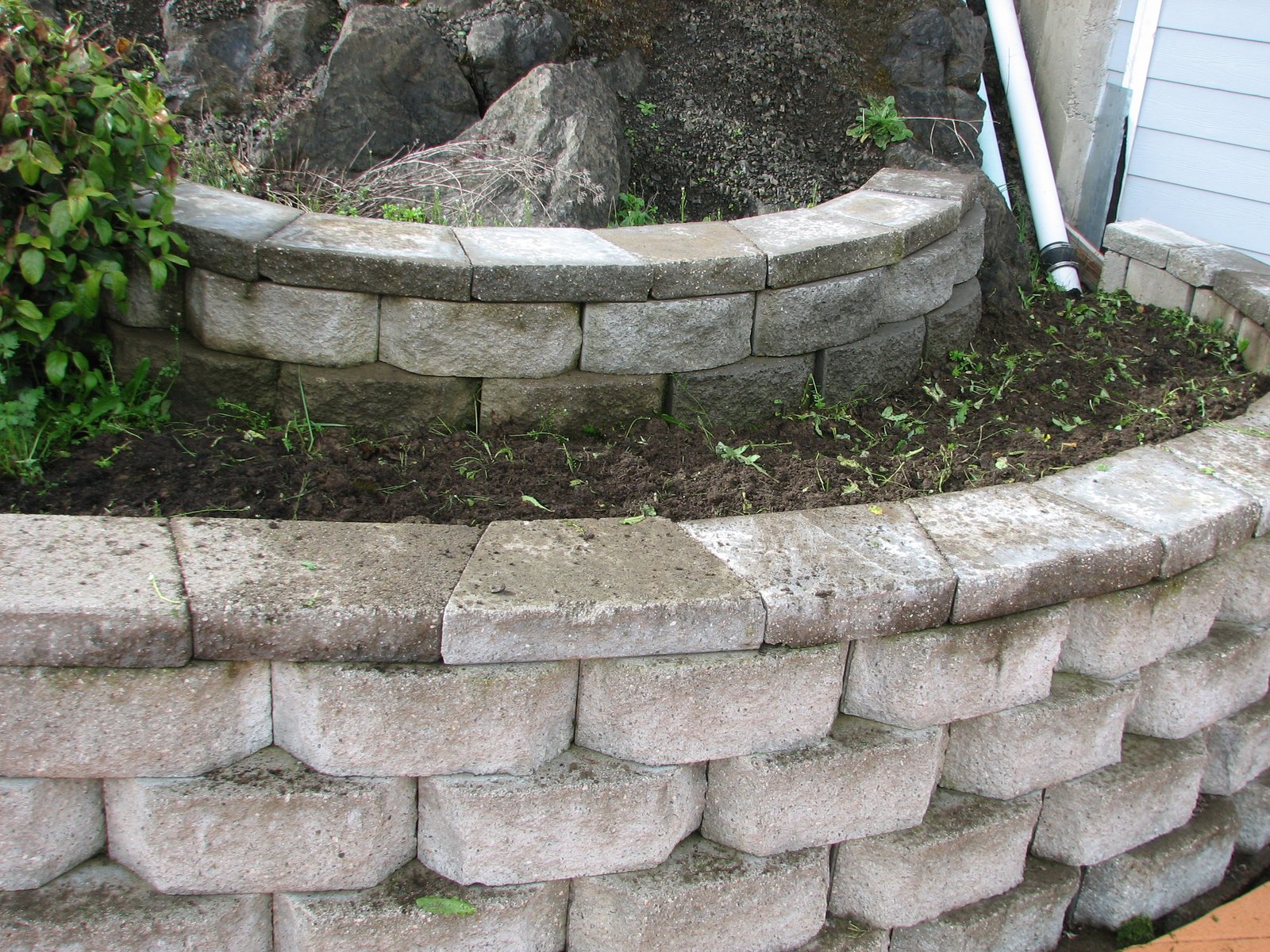
This post is about what a 2½-foot by 10-foot flower bed actually produced, setbacks and all.
Starting Small
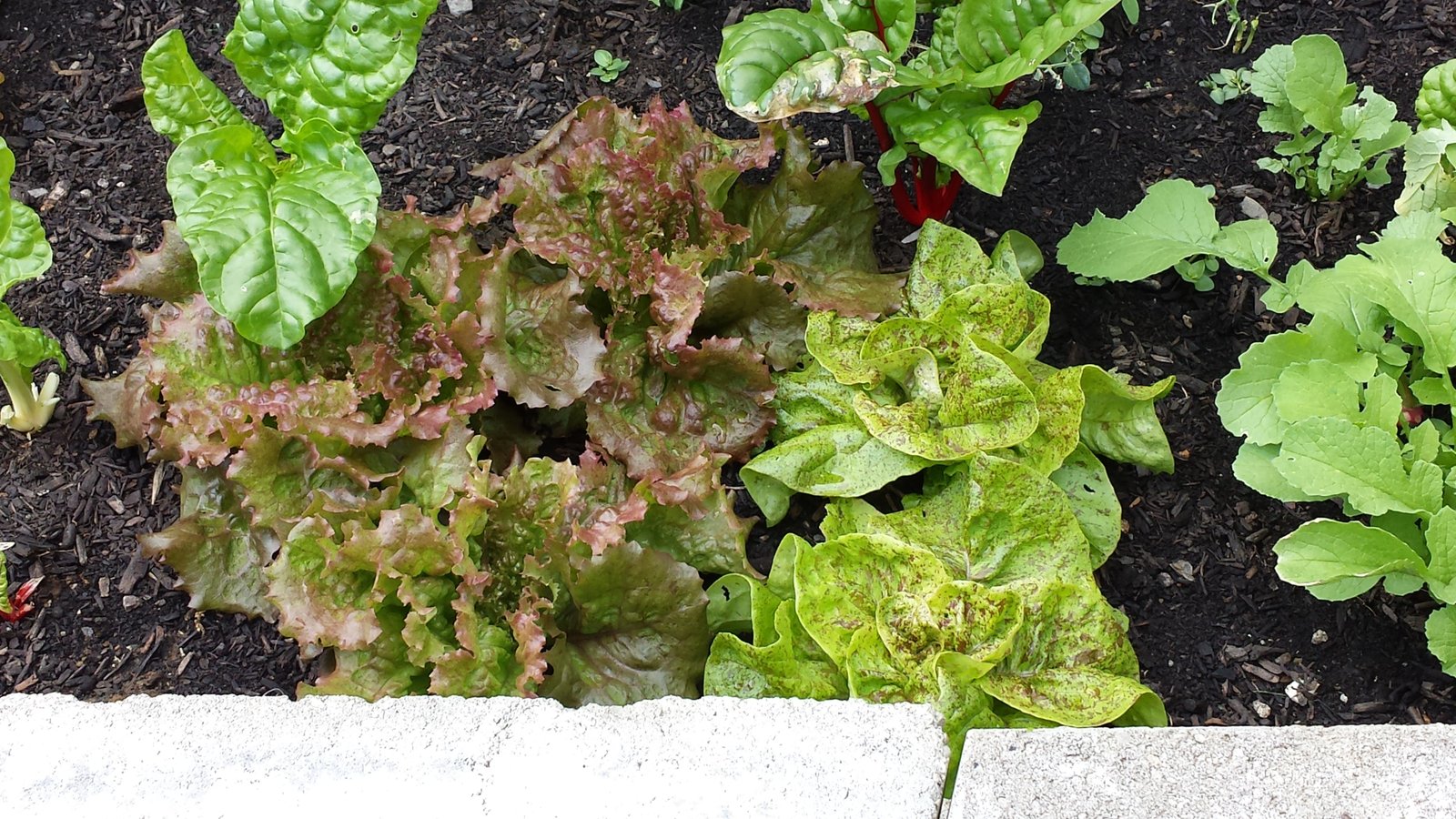
This bed used to just be a flower bed. I converted part of it into food production and planted lettuce, spinach, chard, peas, and radishes.
It didn’t go the way I’d planned. The weather turned cold not long after planting. I never got around to finishing the whole bed. Bugs got into a few plants. And that same season, we lost a family member, which understandably took priority over the garden for a while.
The bed still produced anyway. That’s really the whole point of this post.
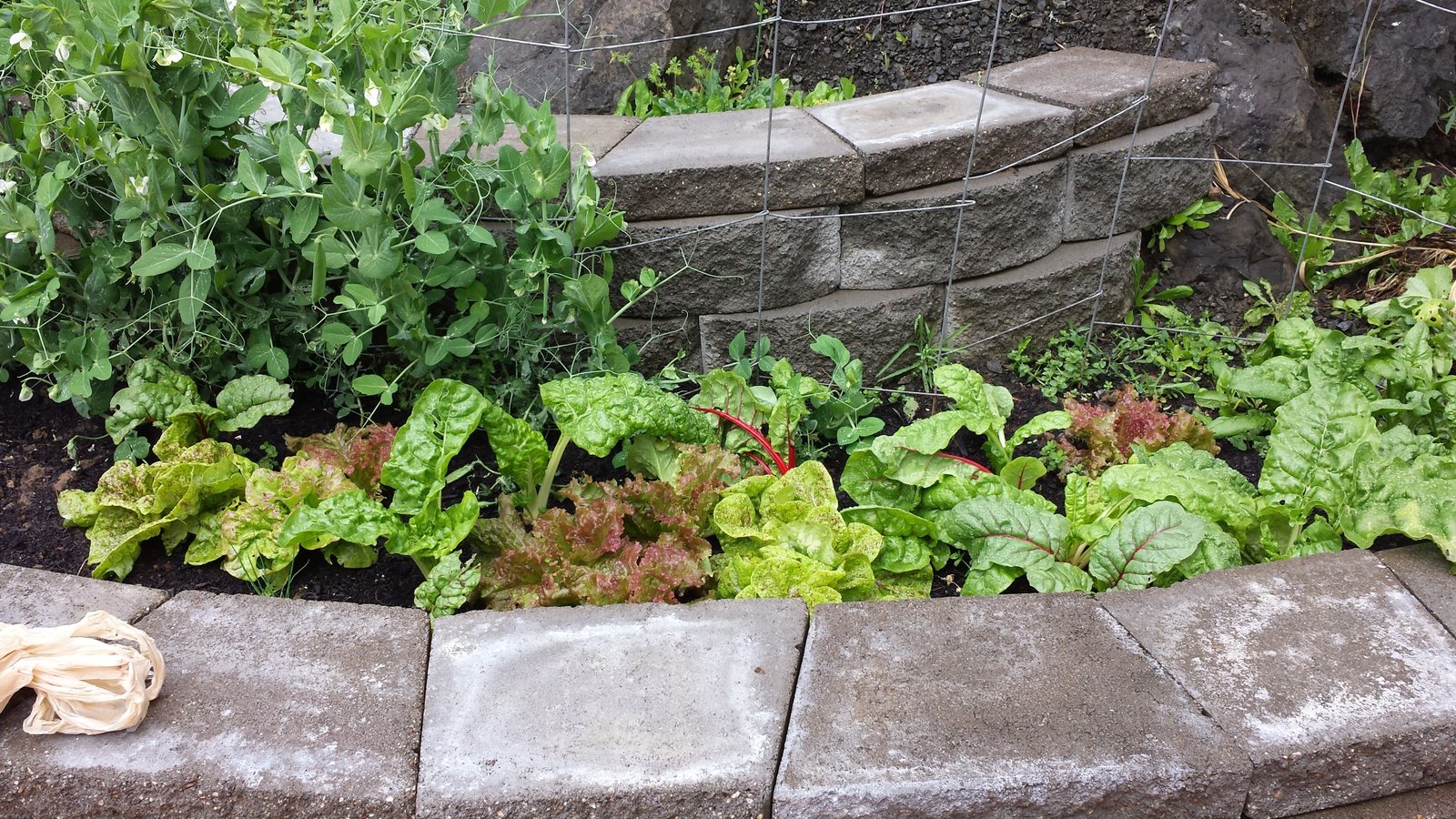
Life Gets in the Way, and the Garden Still Comes Through
If you keep a garden long enough, something is always going to pull your attention away from it. Unless you’re truly homesteading and living entirely off the land, which is rare, plenty can eat into the time and care you meant to give it: weather, pests, your own skill level, a busy work stretch, deer, rabbits, or just life happening the way it does. That’s not a sign the garden failed. It’s just part of keeping one.
What the Bed Produced
By the fourth week of harvesting, the bed was producing lettuce, spinach, and chard every week. The first two weeks brought in about one grocery bag of greens a week. By weeks three and four, that was up to almost two bags a week, and that’s not even counting the peas or radishes that came along with it.
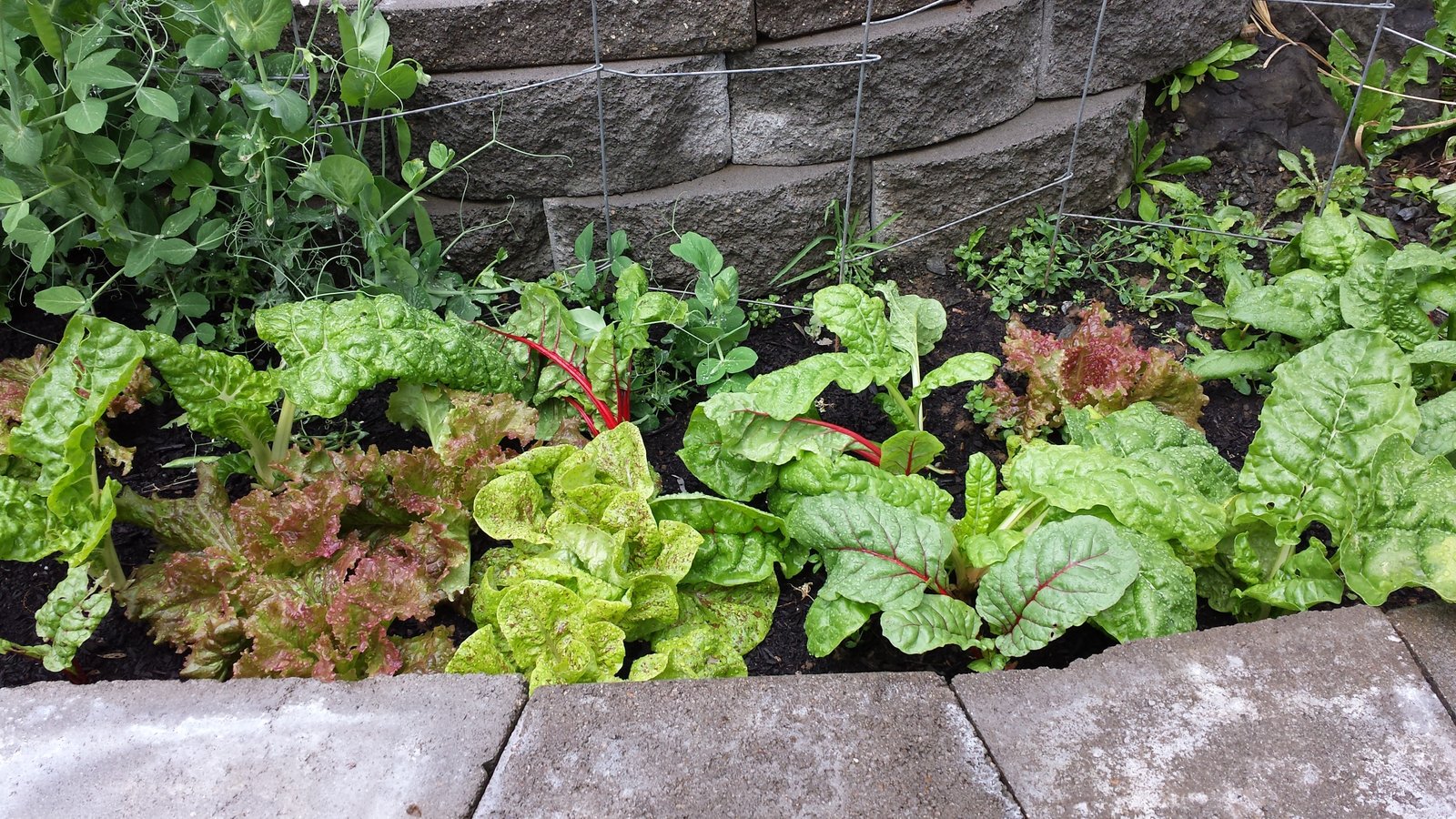
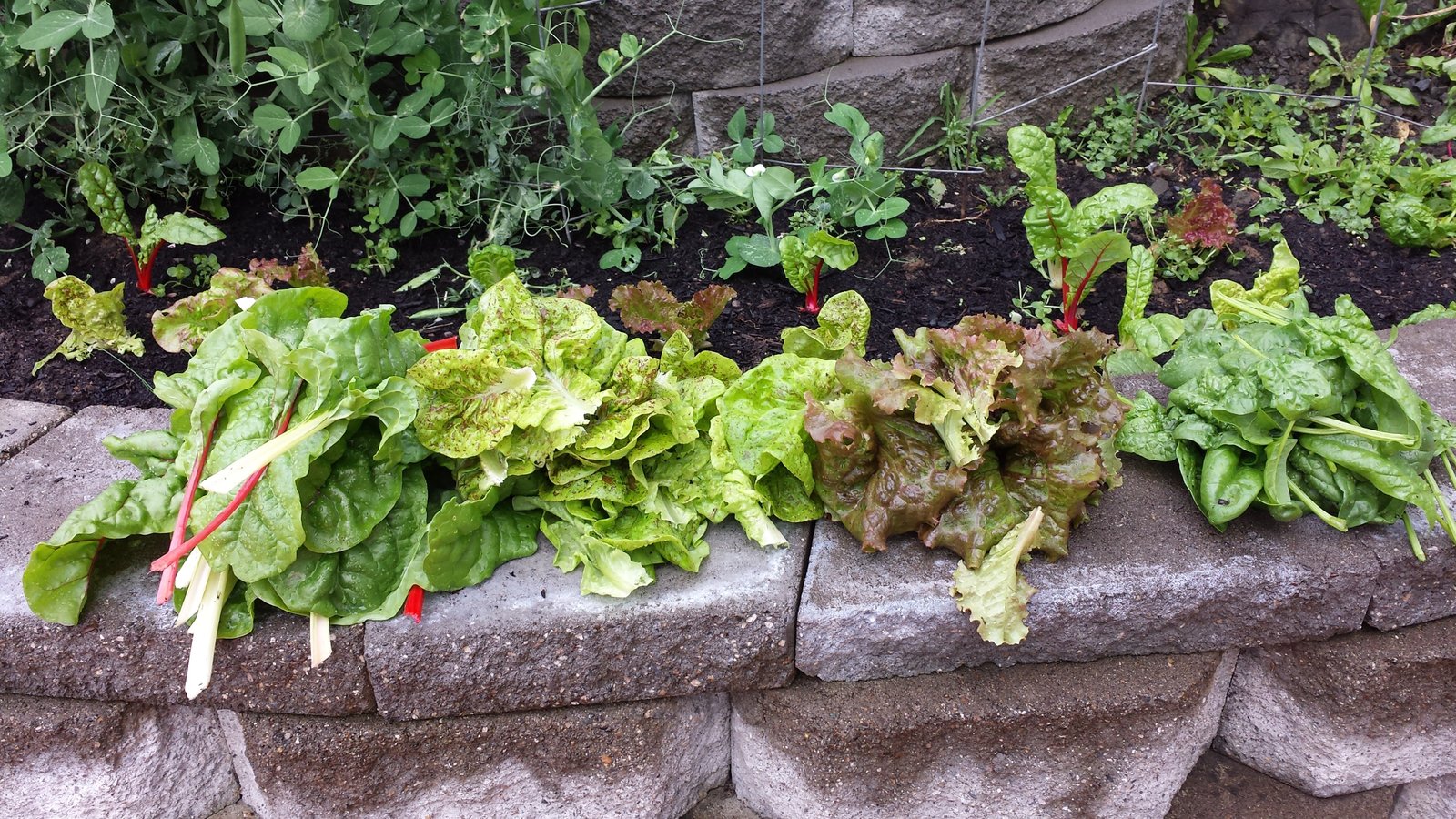
All of that came from a few cents worth of seed, some water, minimal effort, and a space that would’ve otherwise just been growing weeds.
Harvesting the Right Way
Instead of pulling whole plants, I picked the outer leaves and left the center intact. That let the plants keep producing instead of getting wiped out in one go. Once established, most of them were ready to pick again within about a week.
I don’t use pesticides, and I’ve noticed over the years that insects tend to go after the weaker plants while the healthy ones keep growing just fine. I’ve always figured if the bugs won’t touch something, I probably shouldn’t either.
A tip worth knowing: lettuce tends to get bitter after the third picking, or once the weather heats up. You’ll learn the timing by trial and error, which is really how all of this is learned.
Scaling Without Pressure
This bed was originally planned in sections, but only about a third of it produced consistently, mostly due to weather and timing, and that one section still delivered real results on its own.
If the whole bed had been planted and maintained the same way, that same footprint could easily produce three to five bags of greens a week, plus peas and radishes on top. Scaling doesn’t require better land. It requires understanding what already works and doing more of it.
Why This Matters More Than Yield
This amount of food isn’t going to feed a large family on its own, and that’s fine. The real value is what you learn along the way: how your local weather actually affects growth, how often to water, how pests behave, how a plant recovers after you pick from it, and how much a small space can realistically produce.
Those lessons carry forward no matter how big your garden eventually gets, or where you eventually grow it.
This is why why skills matter more than where you live is such a core idea behind this whole site.
The Real Takeaway
Even with a rough season, cold weather, pests, and a genuine family loss pulling my attention away, the bed still grew food. That’s the most important lesson in all of this. If you can grow something worthwhile without ideal conditions, you’ll do even better once things settle down.
And there’s something to be said for the moment it all comes together too. Watching a small bare patch of ground turn into an actual meal on the table, that’s the part that makes you want to do it again next year.
What to Do Now
If you’ve already got something growing, pay attention to how it responds to weather, pests, and harvesting, that’s where the real learning happens. If you haven’t started yet, let this be proof that a rough season is still enough to get real food on the table.
Start small. Learn. Practice. Prepare. Adjust.