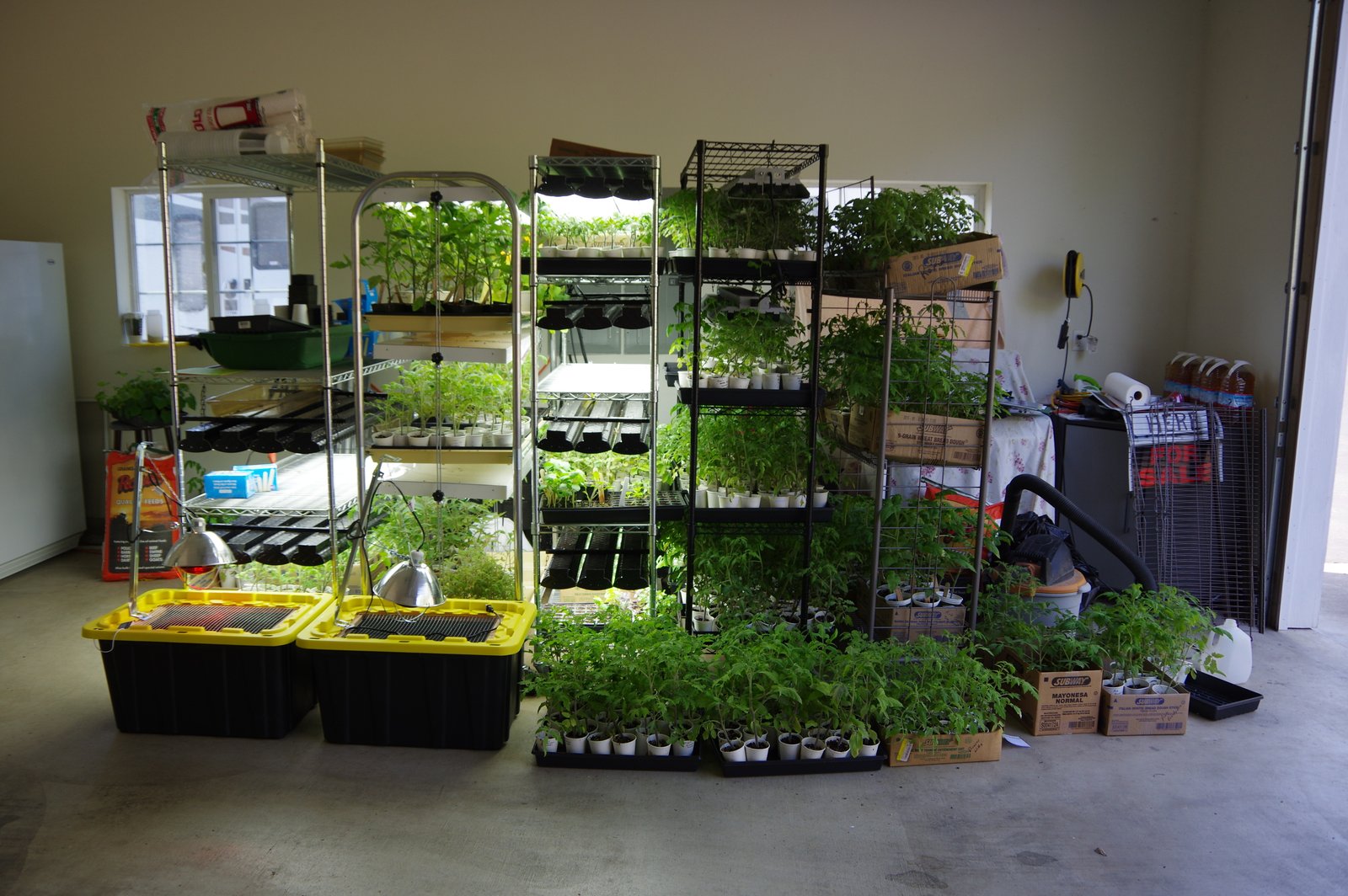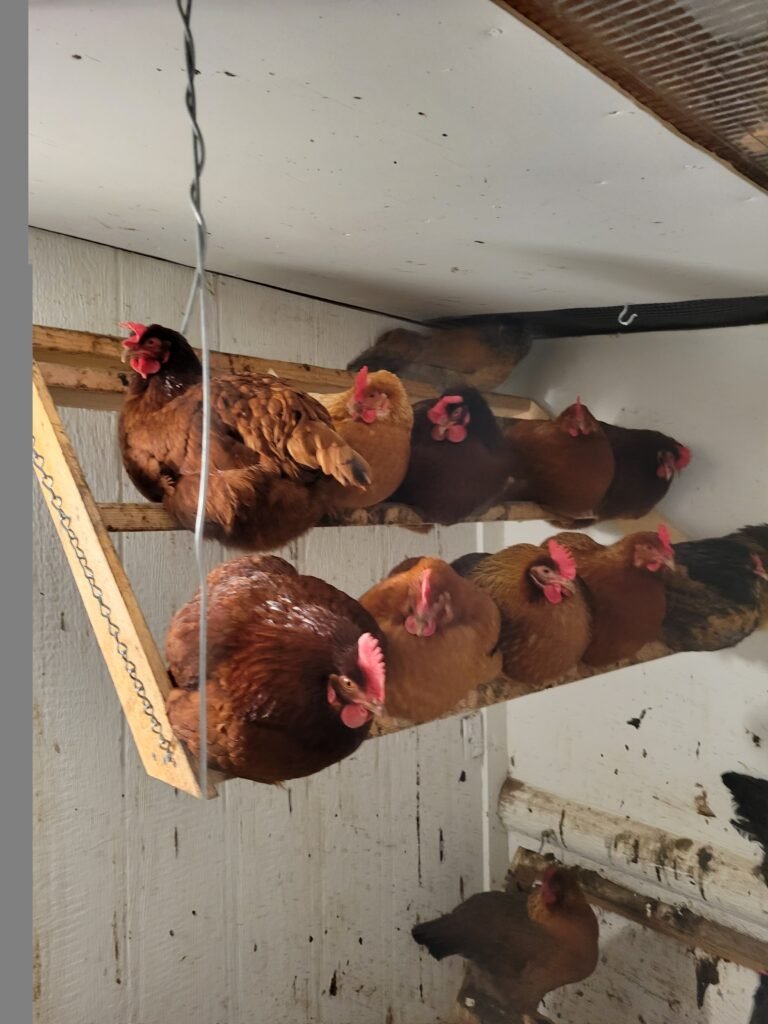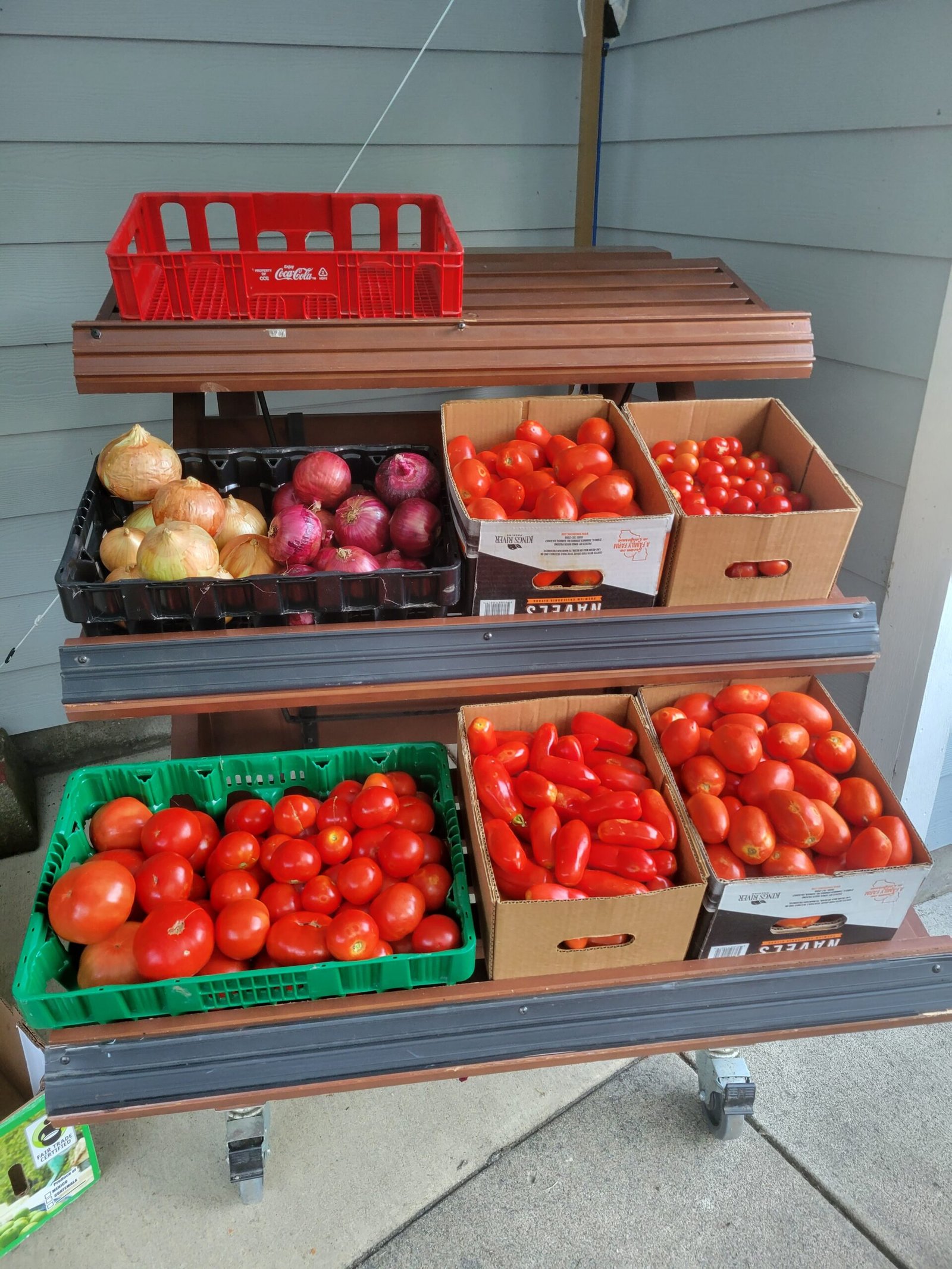
If you’re like most gardeners, you grow more than you actually use. That’s exactly where getting a little creative can turn into real extra cash.
This is one piece of the bigger picture in the Home Economy Guide
This builds on the same idea behind turning skills and excess into income: do a little more of what you’re already doing, and let the extra pay for itself. Here’s how that played out one season in the garden.
The Monday Email, Tuesday Delivery Routine
Lettuce was the first thing that started coming in more than we could use, so I bagged it up and started selling it to people I already knew, folks from businesses I visited regularly, the bank, the post office, the health food store, plus people along streets I already drove.
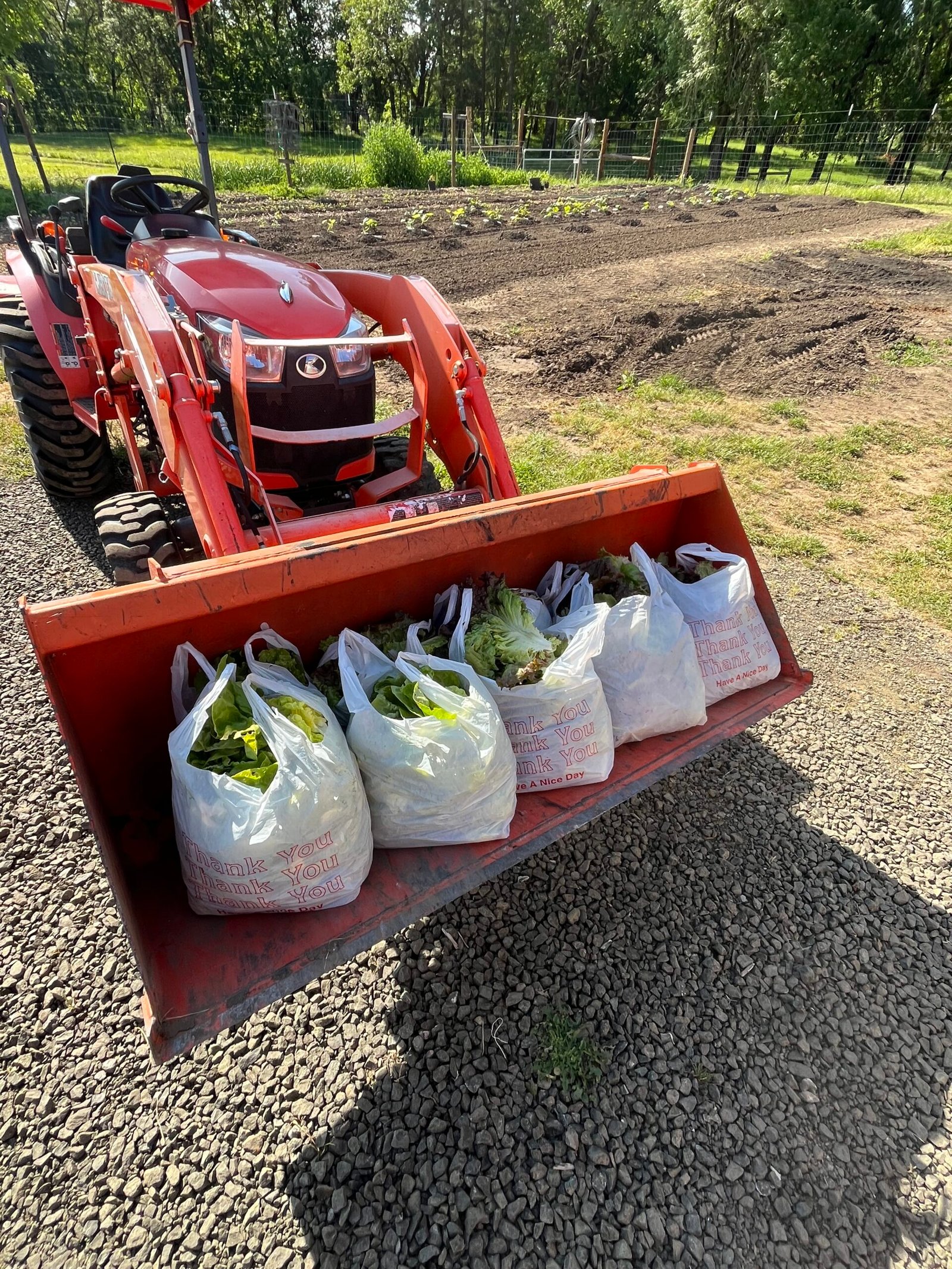
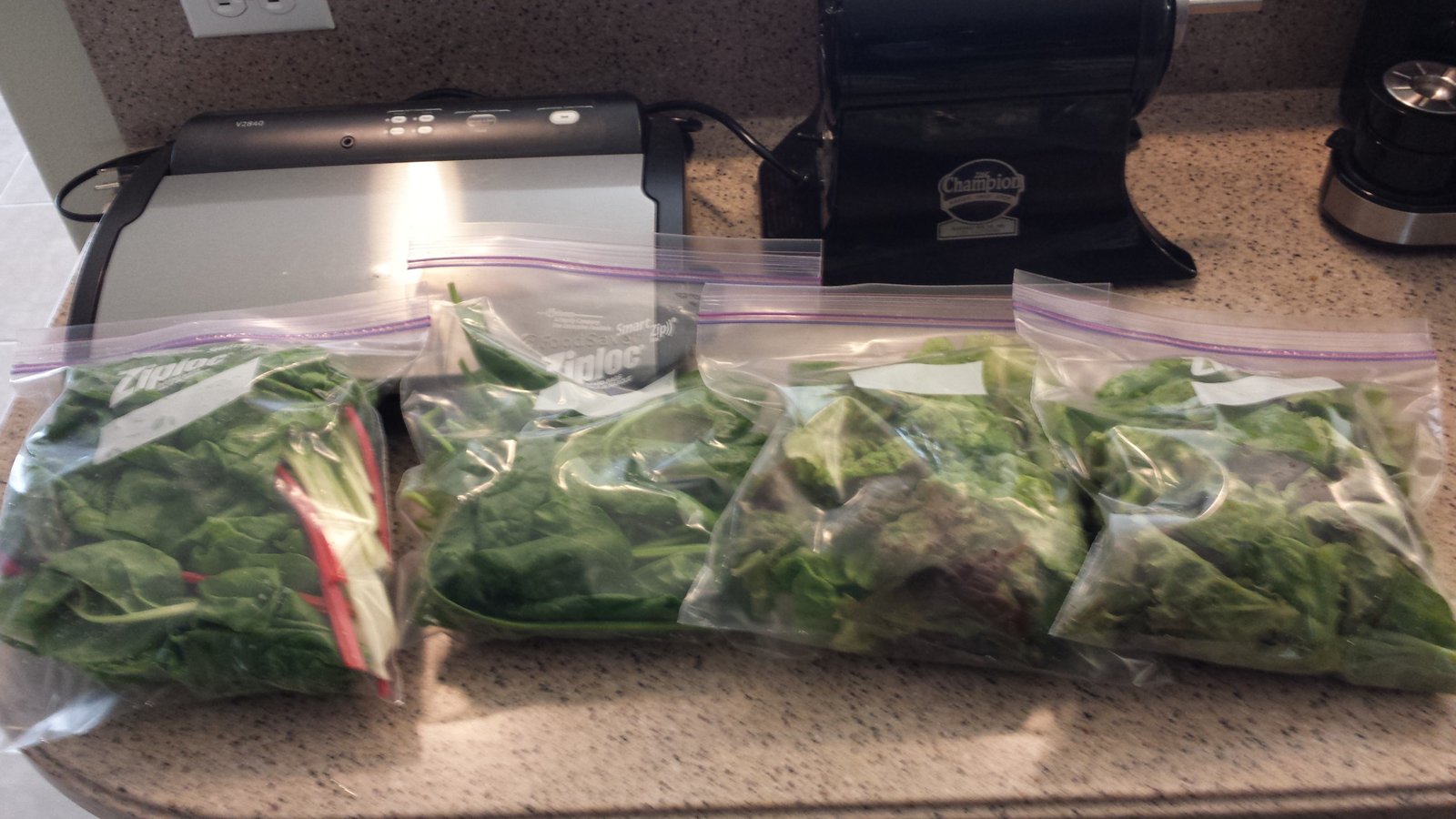
I got their email addresses so I could reach out when I had extra. Every Monday I’d send out what I had. Every Tuesday I’d drop it off. That’s the whole system. I never had to wait around for customers to show up or not show up, I just ran my normal errands and dropped things off along the way.
Each round of drop-offs would bring in $50 to $100. Doesn’t sound like much on its own, but do that twice a week, averaging $75 a trip, across a 21-week growing season, and that’s $3,150 for the summer. Not bad for doing something I was already doing anyway and sharing what I had with people I already knew. Even doing it just once a week would cover the gardening expenses on its own.
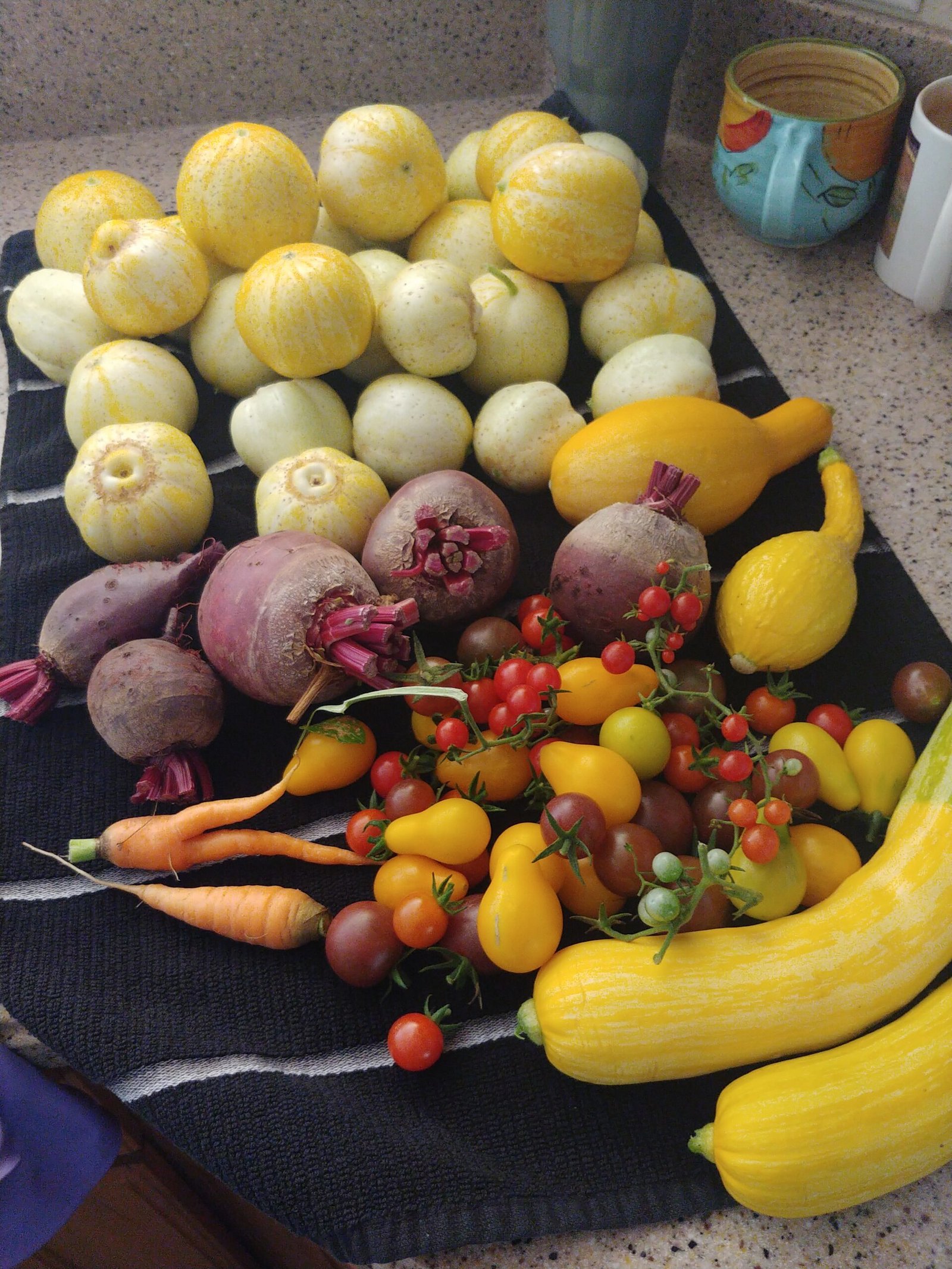
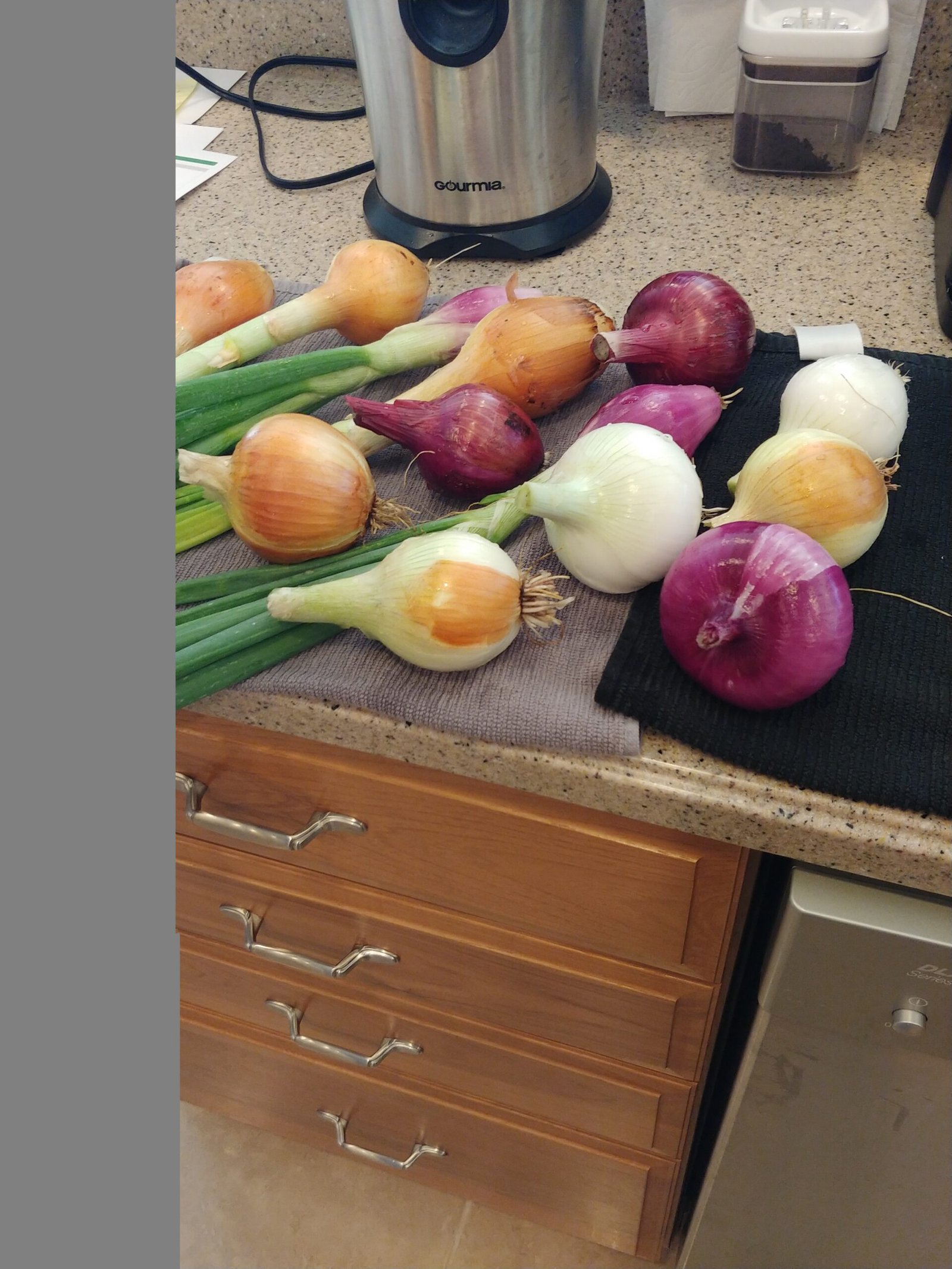
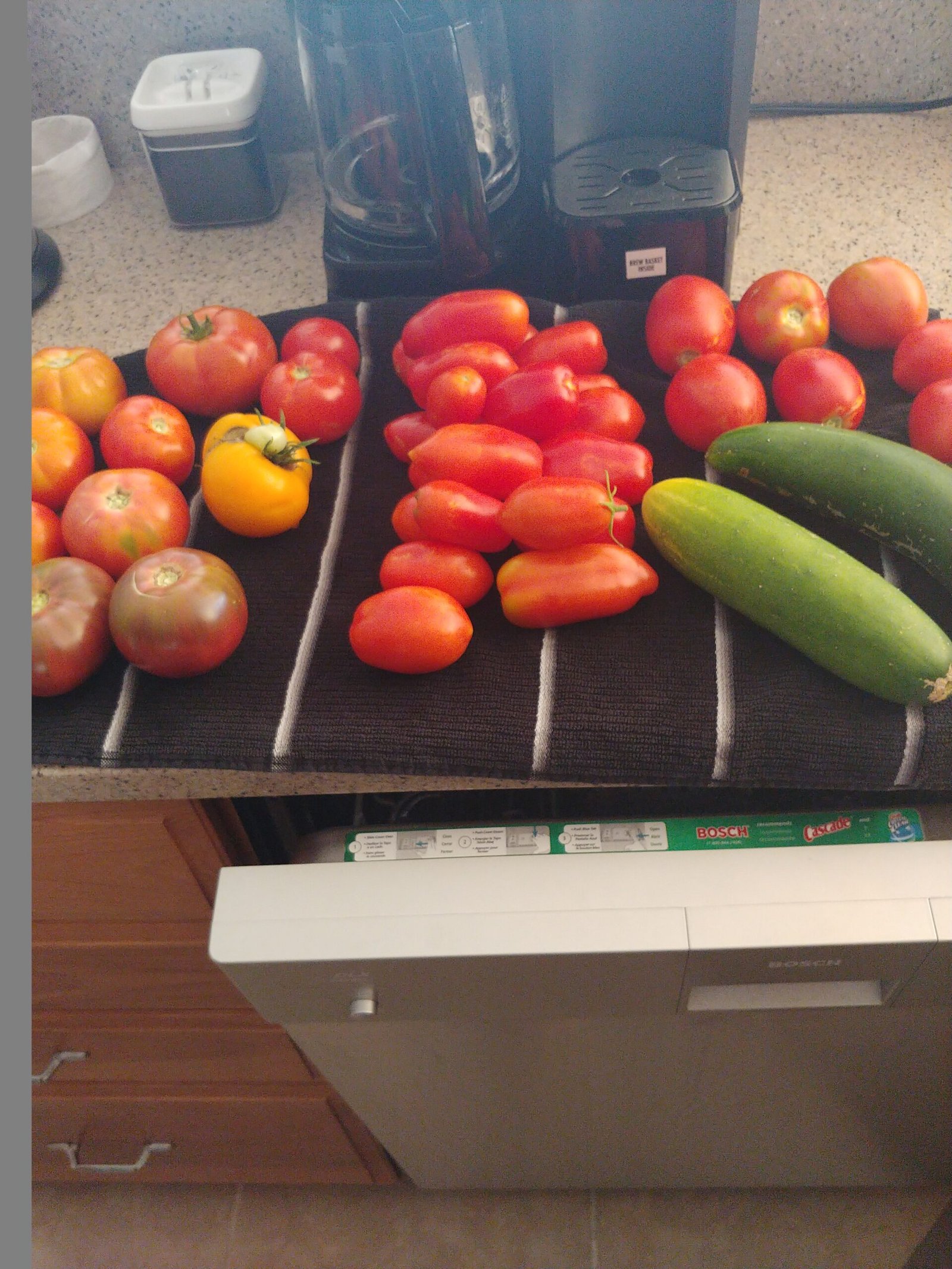
I started with lettuce and kept adding through the summer: cucumbers, chard, spinach, radishes, tomatoes, kohlrabi, kale, collards, broccoli, carrots, zucchini, and other summer squash. I grow heirloom varieties exclusively and stick to organic methods, and taking the time to make sure everything I delivered looked clean and appealing meant I could charge organic prices for it.
Making More From the Same Vegetable
The real lesson came from getting creative with things that weren’t selling.
I had a pile of large zucchini nobody wanted. I tried $2 each, even pointed out they were plenty big for stuffing. Nothing. So I cut the big ones into quarters, scooped the seeds out, and packed two pieces into a gallon zip-lock bag for $2.50. Suddenly I was making $5 off the exact same squash I couldn’t give away at $2, and prep time was under 5 minutes each. People bought every bag I could put together. I still don’t quite believe it worked that well.
I also played with pricing on tomatoes. My early tomatoes were going for $2 a pound, about 12 small ones. I had a striped variety, roughly the same size, with really good flavor, so instead of pricing by weight I sold them 6 for $2.50. People loved them, and I ended up making more than double what I’d been making on the by-the-pound tomatoes, on the exact same fruit.
A few other things that moved the needle:
- Adding something new to the lineup consistently sold better than the older stuff, variety mattered
- Giving out free samples of slow-moving items like kohlrabi and collards picked up their sales afterward
- Repackaging or repricing something that wasn’t selling was often more effective than just dropping the price
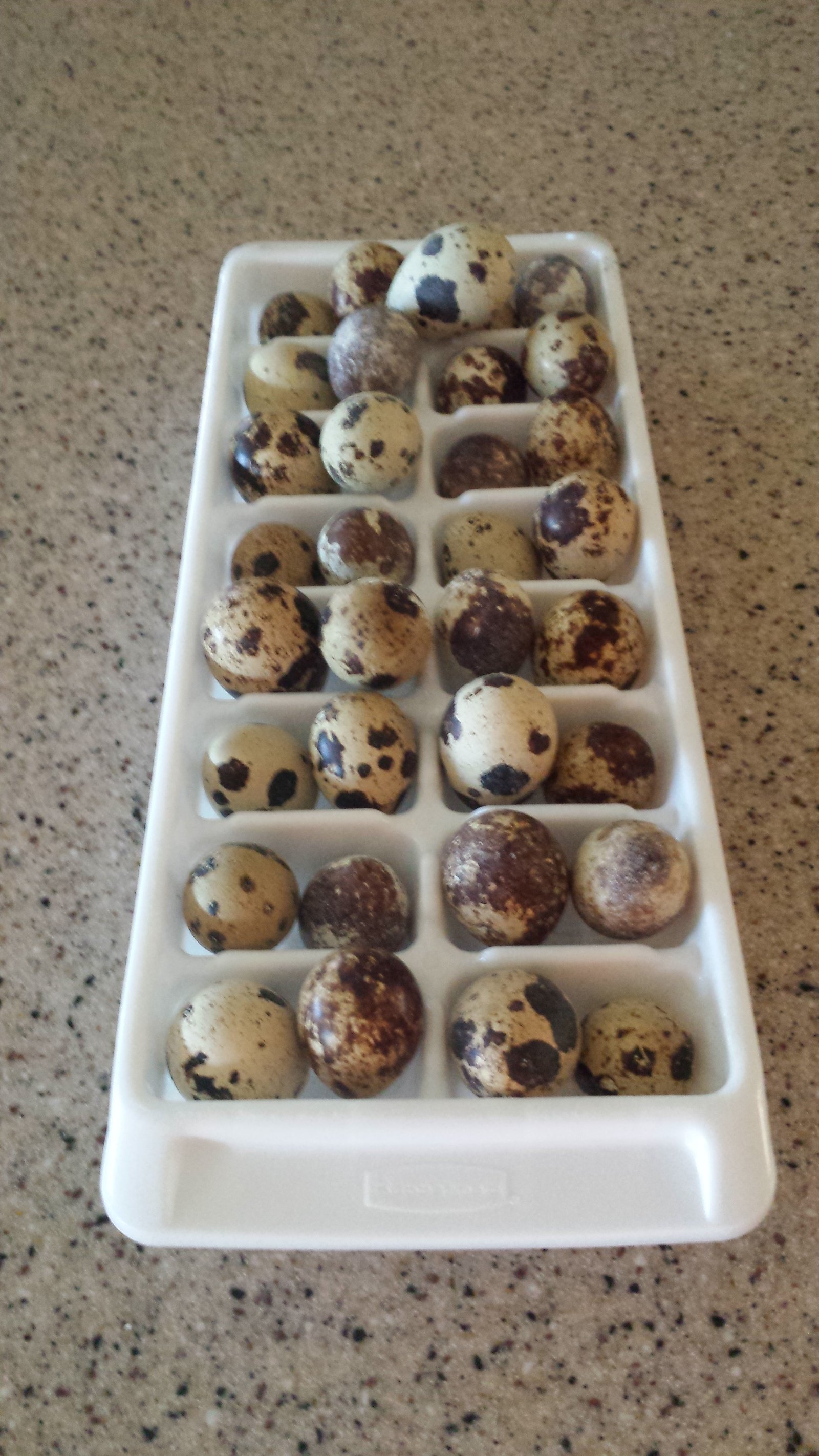
It’s just me running this, one person, so getting the most out of my own effort is always front of mind. I added quail eggs into the mix eventually too, same routine, same customers.
These numbers are from that particular season, prices will vary depending on your area and what the market will bear, but the tactics themselves hold up regardless of the dollar amount: find your slow movers, repackage or reprice instead of just discounting, and let variety and free samples do some of the selling for you.