When people talk about making money from home, it often sounds complicated or unrealistic.
But most of the time, the simplest opportunities come from what you’re already doing, using tools, space, and skills you already have.
This isn’t about starting a business, not yet anyway. It’s about letting the effort you’re already making pay for itself, and maybe a little more. Think of it as getting something free: you’re already doing something, you just do a little bit more, and that little bit more pays for the part you were already doing.
This works because skills matter more than where you live.
If you want to see where it could go, the Home Economy Guide lays out the levels from breaking even to running a small business.
Start With What You’re Already Doing
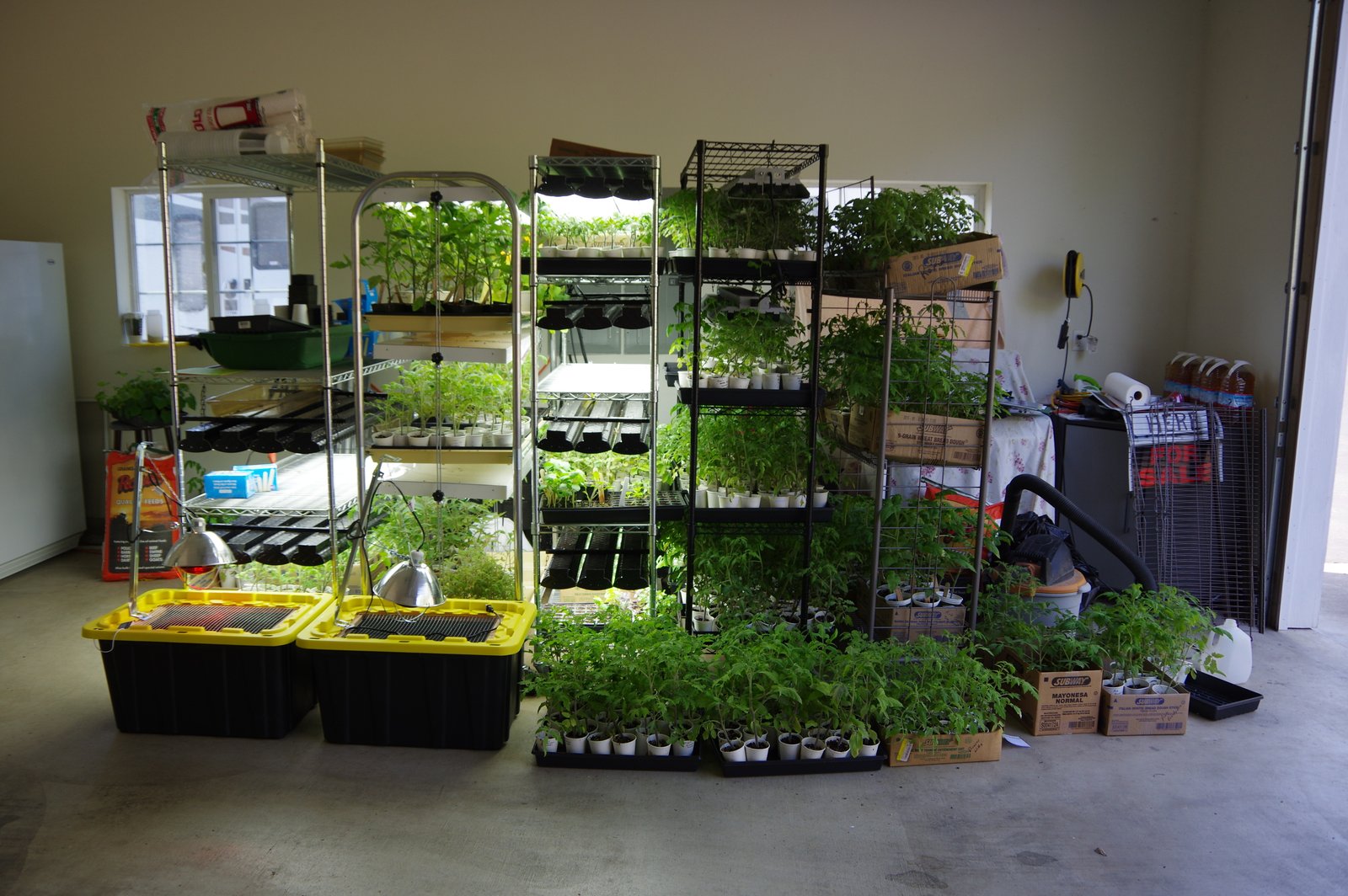
I made money growing plant starts in my garage. I called it garage farming.
I was already gardening. I already had seeds, planting trays, potting soil, a lighted shelf, and an insulated garage. I would have started my own plants anyway. So instead of just growing what I needed, I grew extra and sold the surplus. Do what you’re already doing, just slightly more.
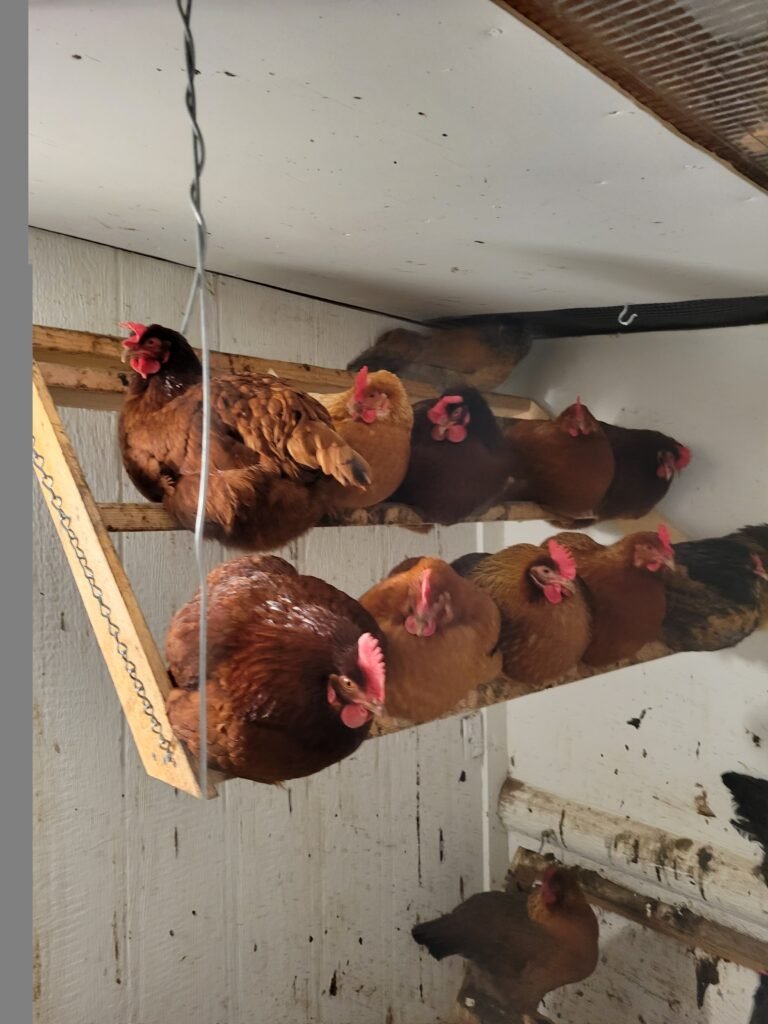
I did the same thing with laying hens. I raised chicks anyway, so I raised extra, sold the extra, and eventually got my own chickens and eggs for free.
Why Small Income Still Matters
Some people overanalyze small income. They’ll say it’s only a few dollars an hour, or that it’s not worth the effort.
But those same people would have made zero dollars doing the exact same activity, and they’d still have had to pay for whatever they raised themselves. Making something is always better than making nothing, especially when it offsets costs and funds the activity you were already doing.
Scaling Carefully (and Honestly)
As the plants grew, they needed more pots, more soil, more shelving, more light. I added capacity step by step instead of all at once, scaling just carefully enough to stay ahead of costs, not trying to grow fast.
The year I sold plants, I sold over 1,500 of them, covered all my expenses, made over $1,000 profit, and got my own garden starts for free. I kept the equipment, and I’ve been using it ever since.
I run a similar rotation with my chickens. My wife doesn’t want to eat a chicken she knows by name, and I don’t want two dozen pet chickens getting old on me, so I never keep a laying hen more than 18 months. I buy chicks, raise and sell some as they mature, and by the time the rest start laying, the whole batch has already paid for itself, chicks, feed, and all. I’ve got a full breakdown of exactly how that math works out coming in its own post.
Selling Without Complicating Life
For the plant starts, I tried multiple approaches: selling from home, Craigslist listings, signs on the road, and a farmers market. Selling from home worked best. It let me stay on my own schedule, avoid loading and unloading, and keep overhead low. Eventually I settled into just selling to people I already knew and dropping things off on my regular trips to town.
Selling chicks was even easier, a Craigslist ad, usually gone within a week. The eggs fit right into the same routine as my vegetables: people on my email list, dropped off on trips I was already making anyway. Even those town trips were just taking advantage of something I was already doing, no sitting at a farmers market all day required.
Letting My Efforts Pay for Themselves
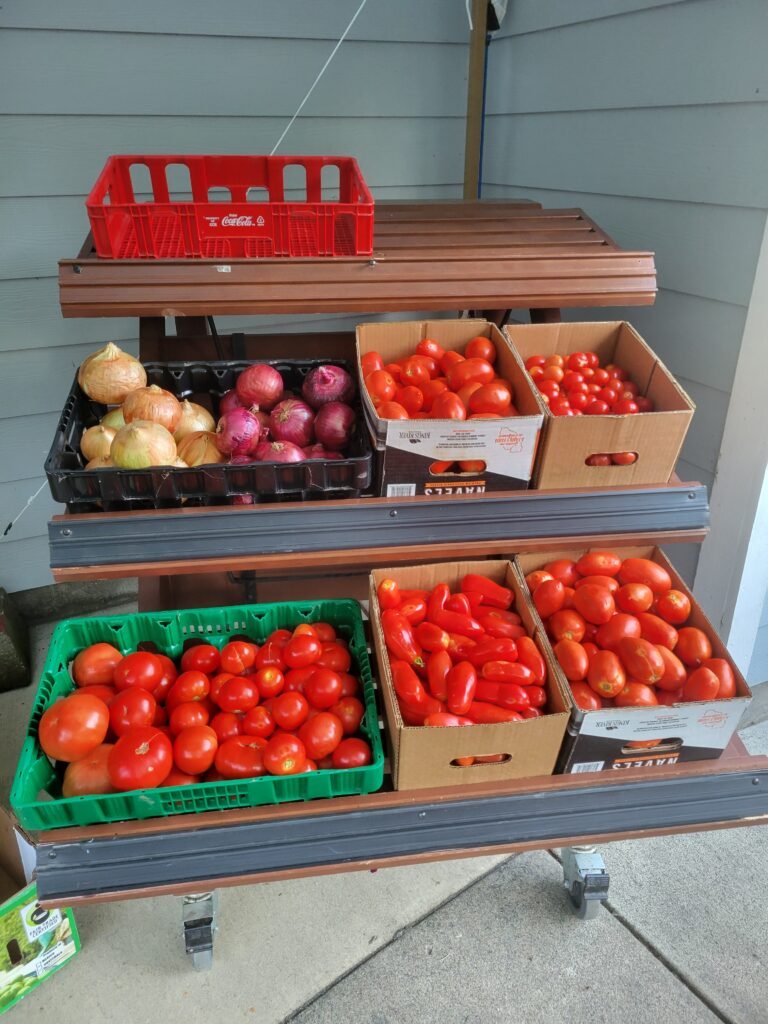
After selling plants, I sold extra produce too, lettuce, greens, vegetables, to people I already saw regularly, no special trips required. Later I added chicken and quail eggs to the mix.
None of this required a business plan. It just required paying attention to my excess, finding a customer, and not letting things go to waste.
This builds naturally on starting small with food production at home.
The Real Goal Isn’t Money
The money matters, but it’s not the most important part. This approach builds skill, builds confidence, and helps fund itself along the way. Even small income can cover supplies, fund upgrades, and hand you free products on top of it all.
When It’s Worth Taking Further
Once you’ve let something pay for itself for a while, look at what actually worked. What sold easily? What did people keep coming back for? What took more effort than it was worth?
If the numbers make sense and you’re enjoying it, that’s your signal it might be worth growing into something bigger. If not, you’ve still covered your costs doing something you were already doing anyway, and that’s a win on its own.
What to Do Now
Look around your home, garage, or workspace. Ask: What am I already doing? What do I already own? What excess do I create?
Start there. Small income, earned calmly and consistently, compounds over time.