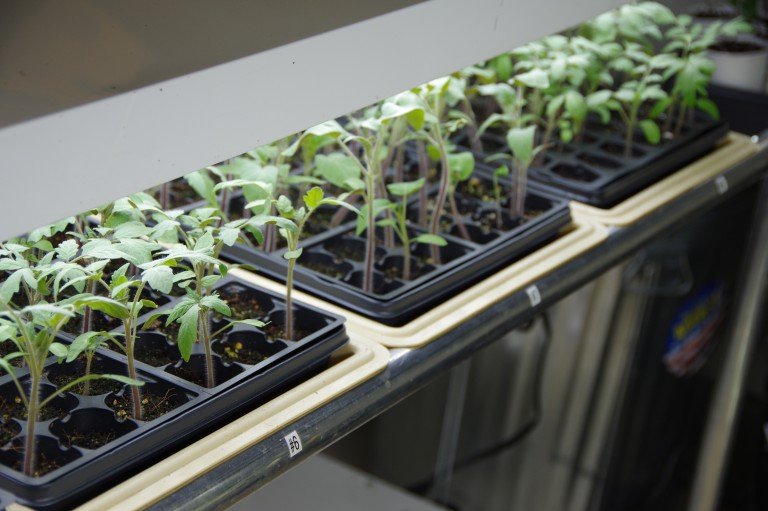
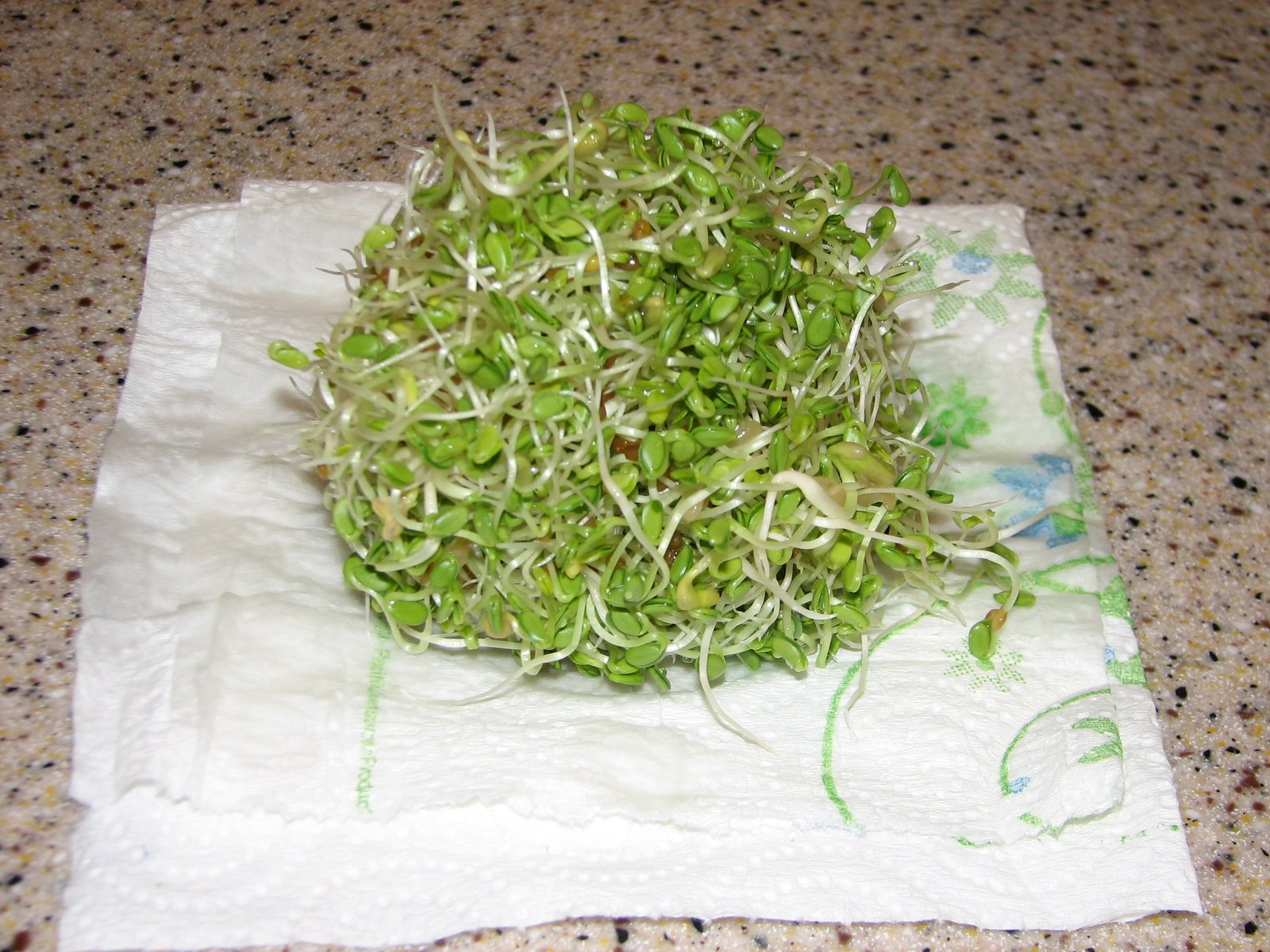
Have you ever planted a whole tray, waited, and then waited some more, and only a few cells came up? It’s easy to blame yourself (too wet, too cold, too much going on that week). Sometimes that’s it. But when it happens year after year with seed from the same company, it might not be you. It might be the seed.
So this post is about where I actually buy my seeds, why I keep going back, and the one company I quit buying from.
I’ve been buying seeds since about 1981, so I’ve ordered from a few companies over the years. At one point I was planting over 180 tomato plants, in a lot of different varieties. When you’re starting that many, you find out pretty quick whose seed comes up and whose doesn’t.
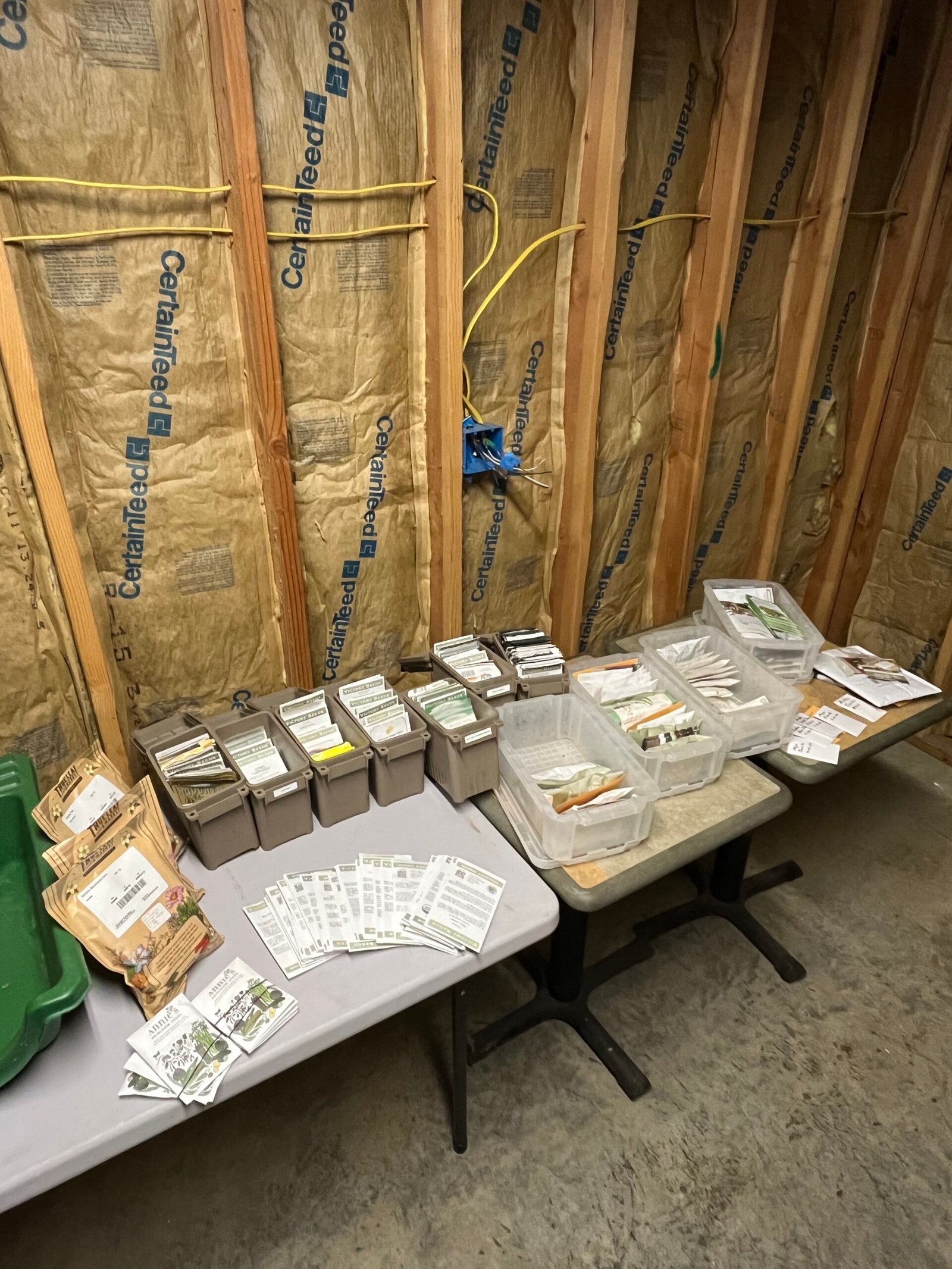
What I Look For in a Seed Company
I mostly grow heirloom, open-pollinated varieties, because those are the ones you can save seed from and get the same plant again next year. (Hybrids grow great, but their seed doesn’t come back true.) I wrote more about that in Survival Seed Kits: What They Don’t Tell You.
After that, it comes down to one simple question. Does the seed come up?
Territorial Seed Company
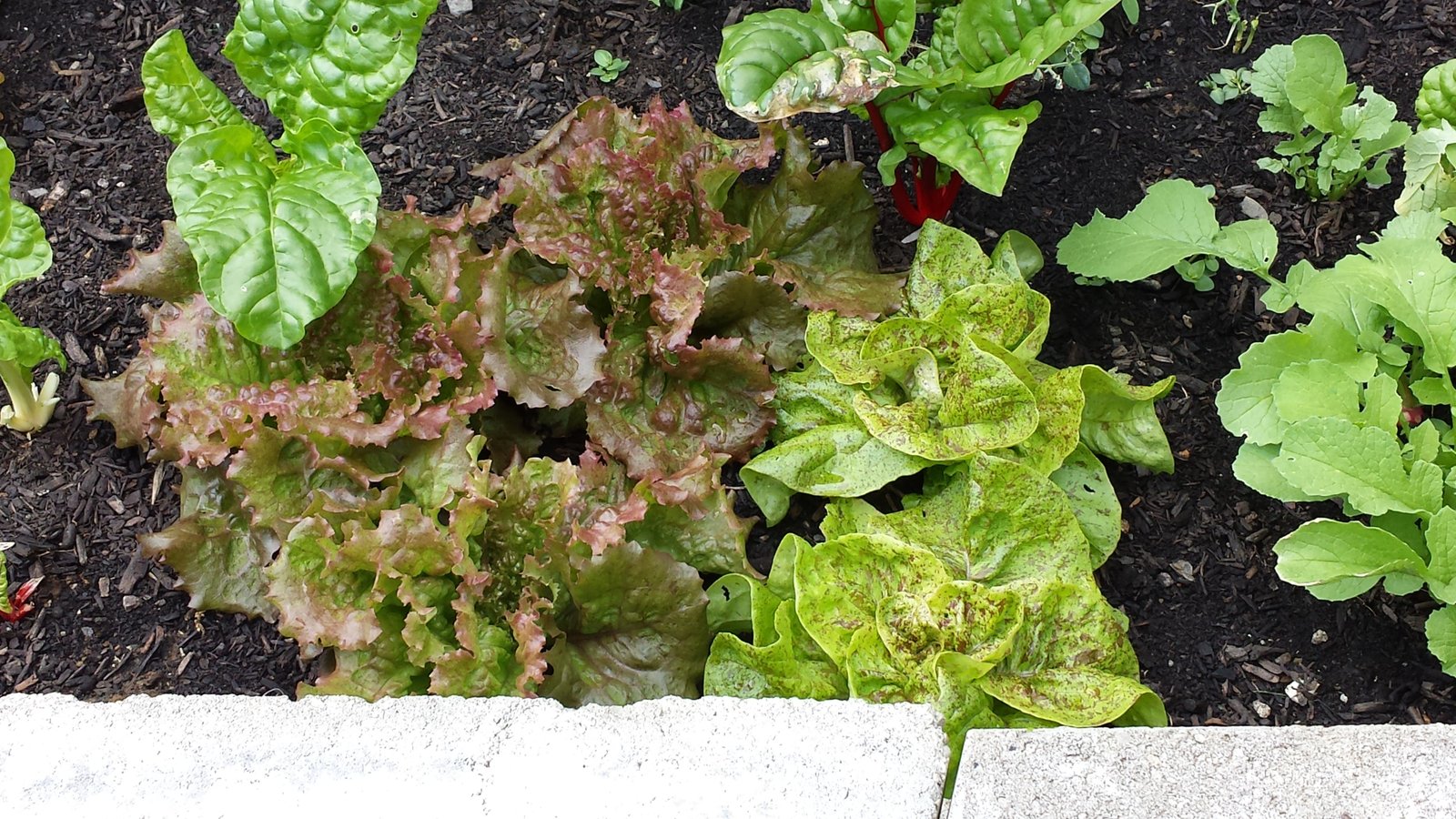
This is where I started. Territorial was one of the first seed companies I ever bought from, and I’ve used them for so many years that I’ve bought just about everything from them. They’ve been around since 1979 (they started in Lorane, just up the road), and they still test varieties on their own farm near Cottage Grove Lake. Most of my lettuce comes from them, and their Red Sails is really good. I just bought my garlic from them a few days ago, too (more on that in my garlic post, You Still Have Time: Starting Over With Garlic).
I also enjoyed Steve Solomon’s gardening books. He’s the one who started Territorial, and what I like most is that he’s adjusted his books over the years as he learned more. That’s how gardening really works: you learn, you try it, and you change what you do.
Territorial is still a favorite for another simple reason: their Cottage Grove, Oregon store is about 50 minutes from me, and I’ve been there many times. They’re non-GMO and sign the Safe Seed Pledge. If you’re anywhere near western Oregon, it’s worth the drive just to see their operation in person.
Victory Seed Company
Later on I found Victory, and I shifted a lot of my buying to them because of their garden packs and their seed packaging. They’re non-GMO, and they’ve spent over 25 years preserving heirloom varieties. They carry some hybrids too (the ones marked F1), but I only buy their heirlooms. One I really love is their Maja tomato, an old Swedish variety. It’s a compact determinate (about two to three feet tall) that loads up with salad-sized red tomatoes.
I used to really love their packaging. They put the seeds in a little resealable Ziploc bag inside the paper packet. There were times the packets got damp, but the seeds were still fine because they were sealed in plastic. The last couple of times I ordered, they’d switched to a plastic bag that isn’t resealable. (I didn’t buy seeds last year, so I don’t know what they’re using now.)
I also like their garden packs, especially if you’re new to gardening. They have a culinary herb garden pack, a medicinal herb pack, a Victory Garden vegetable pack, a salsa kit, urban gardening, a pollinator garden, easy-to-grow seeds for kids, homegrown salads, a pet-friendly herb and flower pack, a hydroponic pack, and the much bigger Victory Garden Seed Vault. I like getting those packs because sometimes there’s stuff in there you may not have picked up yourself, so you get to try something new, and it covers whatever it is you’re looking for.
Annie’s Heirloom Seeds
Annie’s is a newer one, started around 2010 on a family farm in Michigan and named after the owner’s grandmother, Annie, who passed down the family’s gardening. They sell only heirlooms (no hybrids at all), and they say they germination-test every batch. I mostly buy their seed kits and collections, for the same reason I like Victory’s garden packs: you get a variety, including things you might not have picked out yourself.
Sustainable Seed / True Leaf Market
First, a heads up on the name. I bought from Sustainable Seed Company, but if you go looking for them now, you’ll end up at True Leaf Market. True Leaf took over Sustainable Seed’s operations a few years back and made it permanent in 2021, so these days their seed is sold on True Leaf Market’s website. Same seed line, different name on the storefront.
One I got from them and like a lot is the Cuostralee tomato (you’ll also see it spelled Coustralee). It’s an old French heirloom, a big ribbed beefsteak on indeterminate vines that can get up to two or three pounds.
Seed Savers Exchange
Seed Savers is a nonprofit that’s been preserving heirloom varieties since 1975. If the preservation side matters to you as much as the seeds themselves, this one’s worth a look.
Two More Worth Mentioning
I’ve bought a few things from Johnny’s Selected Seeds, but not much. They’re a big supplier to market growers, with a lot of serious tools and equipment, and the prices show it. And one I’m just starting to look into is Peaceful Valley Farm & Garden Supply (they sell online as Grow Organic). They carry seeds plus tools, fertilizer and bigger equipment. I haven’t ordered from them yet, so I’ll report back once I do.
The One I Quit Buying From
I’m always looking for heirloom, open-pollinated varieties (all that jargon). I started with Territorial and tried other companies over the years, including Baker Creek. They started in 1998, and I probably tried them a couple of years after that. At one point, their seeds just weren’t germinating for me, so I quit ordering from them.
That said, they do have a lot of rare seeds you won’t find many other places. So if I wanted a rare variety to save seed from, I’d still buy a starter packet from them. Even if only a few came up, I could save my own seed from there and never need to buy it again.
I also noticed they now offer a two-year guarantee. I don’t know if that’s new or if they had it back when I was ordering, but it’s worth knowing if you want to give them a try.
How to Judge a Seed Company for Yourself
Here’s what nobody tells you: you can’t judge a seed company by memory. If you plant 72 cells with a dozen varieties from four companies, you won’t remember which packet was the dud by June. So write it down.
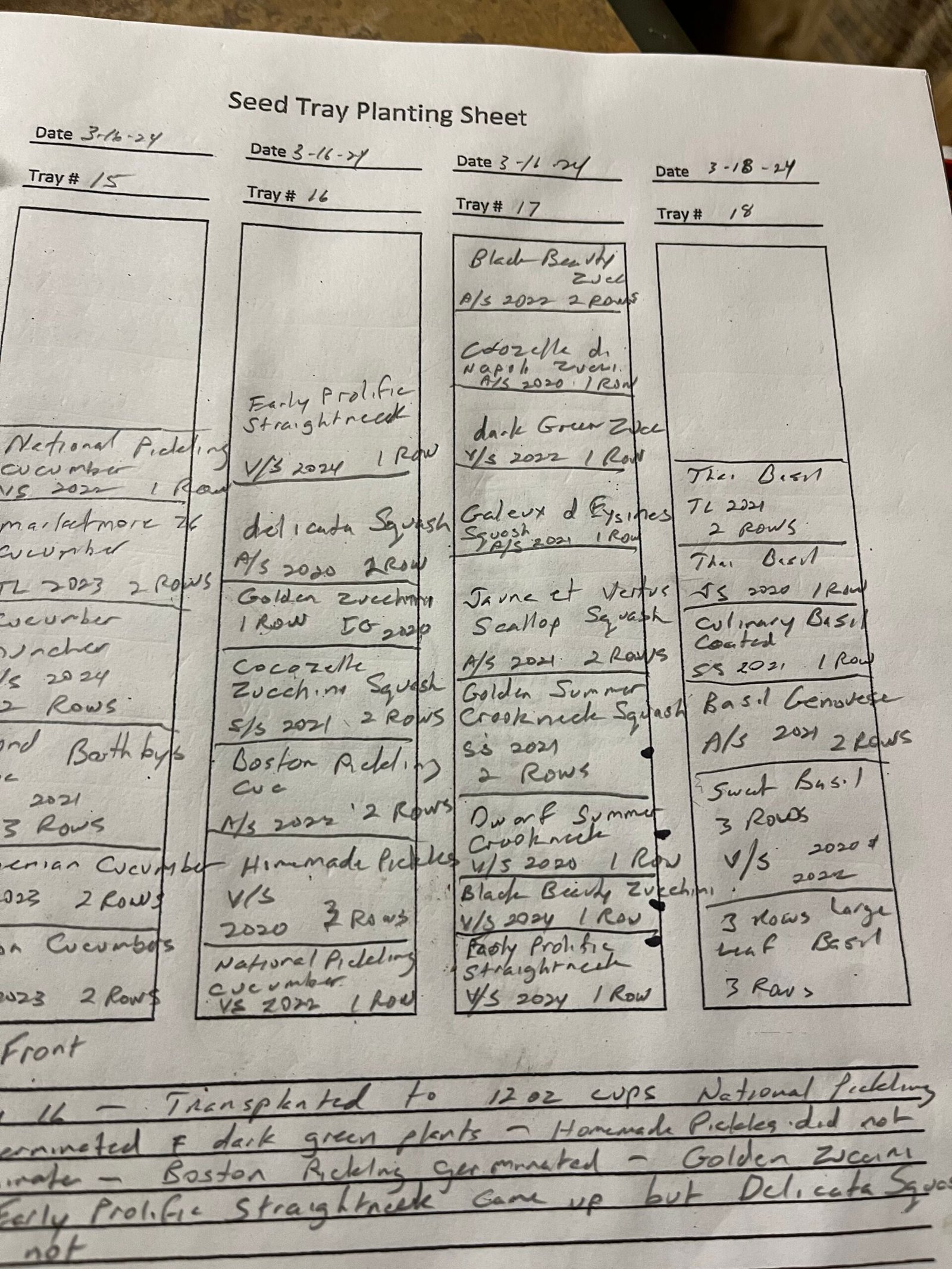
When you seed a tray, note the variety, the seed company and the year on the packet. Then check off what comes up. Do that for a season or two and the pattern shows itself. I made free tray and bed planting sheets for exactly this, with an “Up” box beside every row and a seed company key at the bottom. You can grab them in Knowing What You Planted (Because You Can’t Buy a “Whatever”).
One more thing. A couple of these companies have changed hands in the last few years. Victory went to a new family in Texas in 2022, and Sustainable Seed is now run by True Leaf Market. New owners don’t automatically mean worse seed, but they can mean changes. So I’ll be watching for changes, and I’ll report back here as I order and plant.
So start with whatever seed you have, write down where it came from, and let your own trays tell you where to buy next year.