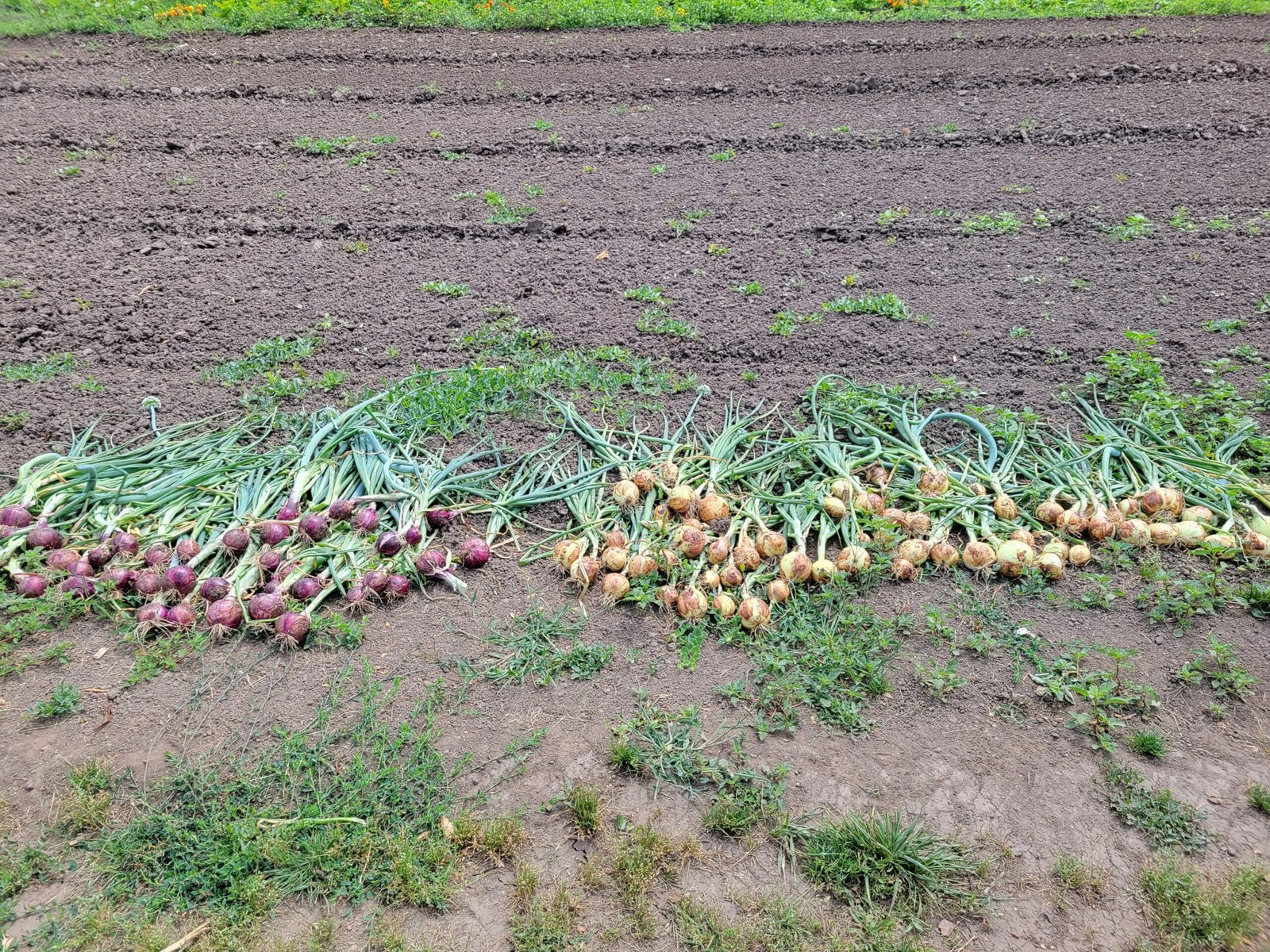
Will growing your own food actually save money? I get asked some version of that a lot, and the honest answer is: it depends on what you’re comparing. Most people compare the wrong things.
First, Decide What You’re After
Before you can answer the money question, you have to know what you want. There are a few decisions to make here.
You can eat really cheap if you just want to survive. Rice, beans, the bargain bins. But is that what you’re looking for? Do you want cheap, do you want healthy, or something down the middle?
Personally, I would take the healthier option over the cheaper option. But you have to decide that for yourself first, because it changes the whole answer.
The Honest Garden Math
Growing your own food is usually the healthier option. But if you count all of the time and effort of tending the garden, then picking, cleaning and processing what you grow, the savings get pretty slim.
I’m not going to pretend otherwise. A garden is work.
But get a little creative and it starts to make more sense. Grow and sell a little extra. I raise extra chicks and sell them, and the sales pay for the chicks and the feed, so the hens I keep and their eggs end up free. I laid out the whole plan, with the numbers, in Would You Like Free Chickens and Free Eggs? And when I make a trip to town, I take vegetables and eggs along to sell. Now the garden and the flock are paying for themselves, and some of the trip too.
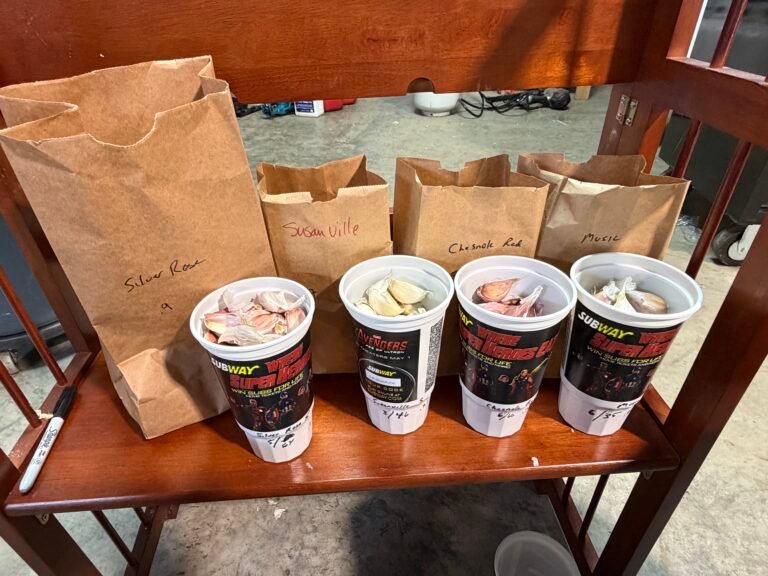
This fall I restarted my garlic and wrote down every dollar it cost. You can see the whole cost breakdown in my garlic post. Real numbers are the only way to know if any of this pays.
The Bigger Leak Isn’t the Garden. It’s the Trip to Town.
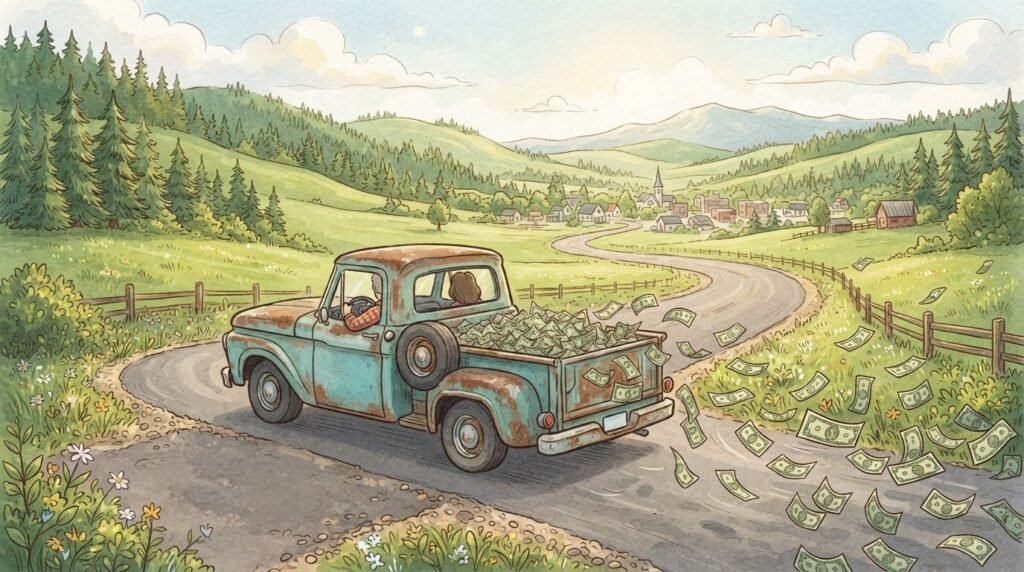
Here’s another way to look at it: how you spend your time.
I always say that as soon as I make a trip to town, the money flows out of my wallet. If you run to town every time you want something (notice I said want, not need), you will definitely lose money. Think about the gas, the stop for a coffee drink, and the extras you bought on top of the thing you went to get.
Then you get home and everyone decides, “Let’s go out to dinner. We all worked so hard, we don’t want to cook tonight.” I’m not sure what dinner for four runs these days, but it will easily go over $100, plus gas and time.
Wait. You didn’t have time to cook? But you got ready, drove to the restaurant, waited 15 minutes to be seated, had dinner and drove home. That’s easily two hours or more. Probably more time than cooking at home would have taken.
I ran the full numbers on both of these elsewhere. Money: Spend It Once, Benefit Twice has the dinner-out math, plus the chicken soup that’s ready in 30 minutes instead. The Home Economy Guide shows what a trip to town really costs me in diesel, and how I make that trip pay for itself.
We Can Justify Anything
It’s funny how we over-analyze home cooking, the garden and the things that take a little effort. Then we turn around and justify the $100-plus dinner out because we’re tired, the Starbucks ($6 or more each) because we wanted it, and the extras at the grocery store because they looked good.
If you’re going to put the garden under a microscope, put the rest of it under there too.
Compare the Same Things
Make sure you’re comparing apples to apples. If you buy cheap vegetables at the store but grow organic vegetables at home, you can’t claim the store is so much cheaper. Compare organic to organic, fresh to fresh.
So, Does It Save Money?
There are several different ways to analyze this one. But staying home, planning your trips and using a list is usually the cheapest option. Then factor in what your priorities are.
A garden by itself might only save you a little. A garden, plus fewer trips to town, plus cooking what you grow, plus selling a little extra? That’s where it starts to add up.
Start where you are. Start at home first.